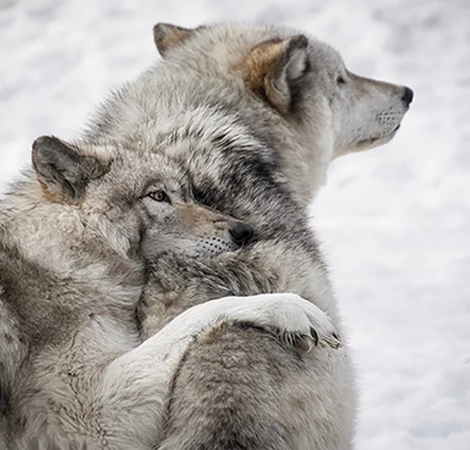
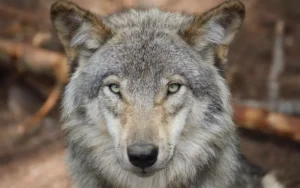
We are working to stop the assaults on wolves across their range in the United States, including in Idaho, Montana, and Wisconsin where the states have initiated particularly ruthless killing plans for wolves.
We’re deeply committed to protecting gray wolves — and our efforts run the gamut from litigation and policy advocacy to introducing new federal protections.
Safeguarding gray wolves
We’re working in the courts and the Congress to maintain or restore protections for wolves across more than a dozen states where wolves roam. We’ve won in the federal courts time and again and blocked Congress, over the last decade, from seeking to remove federal protections for wolves across more than a dozen states.
After Wisconsin conducted a lightning quick wolf slaughter in 2021, we got into state court and shut down any subsequent killing. That policy has held since that time. In 2022, we were among a set of other animal welfare and conservation groups that blocked the U.S. Fish and Wildlife Service from removing federal protections for wolves across much of their range in the Upper Midwest and West. More recently, we challenged a separate U.S. Fish and Wildlife Service denial of a petition to restore federal protections for wolves in the Northern Rockies. While we won that case, those protections have yet to be restored and we are actively promoting that outcome.
Ending snowmobile “wolf whacking”
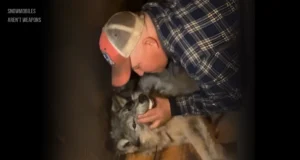
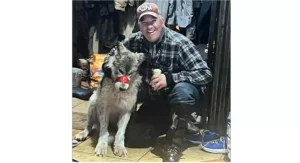
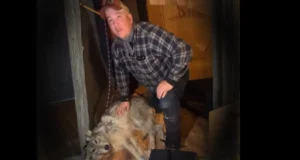
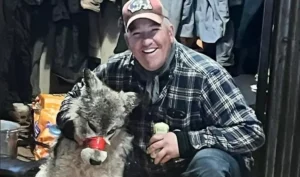
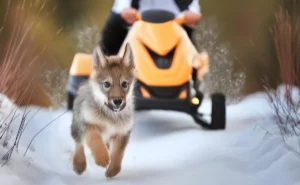
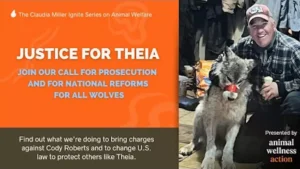
We are the architects of a proposed national policy to ban the use of motorized vehicles to chase down wolves and other wildlife on our federal lands (one third of the land area of the United States). The Snowmobiles Aren’t Weapons (SAW) Act would accomplish that goal. This legislation was triggered by the running down of an adolescent female wolf by a rancher in Wyoming, grievously wounding the animal and then taking her captive to torment her. There is a federal Airborne Hunting Act to restrict use of aircraft to harass and harm wildlife, and we should have a similar policy for motorized vehicles, too.
Leaders
We are building a major coalition of organizations, Indian tribes, and federal lawmakers to fight for wolves. The Center, Animal Wellness Action, and dozens of other partners submitted a detailed amicus brief, with more than a dozen partner organization, in the federal court case seeking delisting. We recruited the Sault St. Marie Tribe of Chippewa Indians, the largest tribe east of the Mississippi River, to join us, along with a dozen other organizations centered in the Great Lakes region. We have involved other groups in the Northern Rockies as we apply pressure there. We worked with the Sault tribe to secure a resolution from the National Congress of American Indians to support re-listing of wolves.
In Summary
We’re fighting across multiple fronts — through courtrooms, Congress, and grassroots advocacy — to stop human-caused wolf declines, end state-sanctioned assaults on wolves, and maintain protections under the ESA for the 6,000 or so wolves that roam the lower 48 states. The Snowmobiles Aren’t Weapons Act is a critical component, targeting a particularly cruel practice and reinforcing our broader mission: ensuring wolves thrive. Wolves bring immense economic and ecological benefits to the area where they live, driving commerce in gateway communities abutting national parks and acting as a bulwark against the spread of the always deadly Chronic Wasting Disease menacing deer, elk, and moose populations.