


The organizations urge the judge to reject this recommendation
Sublette County, Wyo. — The Center for a Humane Economy and Animal Wellness Action today condemned the proposed plea agreement in the felony animal cruelty case against Cody Roberts, calling it a “slap on the wrist for an act of extreme malice and torture against an innocent animal” and noting that the plea “would embolden would-be animal abusers in Wyoming.”
Under the recommended agreement, Roberts would withdraw his plea of not guilty and enter a plea of guilty or no contest to one count of felony cruelty to animals under Wyoming Statute § 6-3-1005(a)(ii) (2024). County prosecutor Clayton Melinkovich and Roberts’ attorney, Robert Piper, will jointly recommend that any term of incarceration be suspended in favor of 18 months of supervised probation and a $1,000 fine.
The maximum penalty for this felony offense is up to two years’ incarceration at the Wyoming Department of Corrections and a $5,000 fine, or both.
“We are very grateful that prosecutors brought this case forward and that a grand jury indicted Mr. Roberts,” said Wayne Pacelle, president of the Center for a Humane Economy and Animal Wellness Action. “But now it’s time to complete the job. Cody Roberts committed an act of savagery, and we know that people who are capable of relishing in the torture of animals pose a threat to others and must be proportionately punished.”
The Facts of the Case
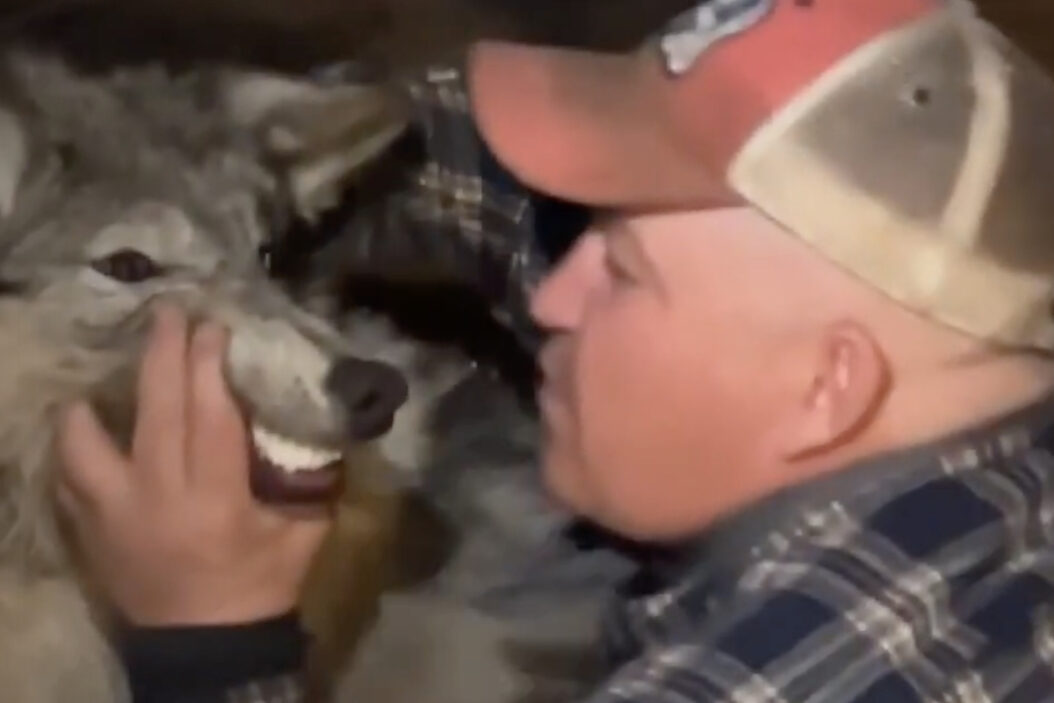
According to investigative reports and widely circulated evidence, Roberts intentionally struck a young female wolf with his snowmobile, severely injuring the animal. Rather than dispatching the wounded animal in the field, he transported the suffering wolf to a local drinking establishment, where he cruelly displayed, mocked, and tormented the gravely injured animal. Roberts ultimately shot the wolf dead in a back alley after she endured hours of prolonged pain and distress.
“These were not split-second actions taken in fear or self-defense,” said Scott Edwards, general counsel for the Center for a Humane Economy. “They were a series of deliberate choices that compounded the suffering of a sentient animal for this man’s glee and amusement. Animal cruelty statutes exist to deter precisely this kind of intentional torment. If ever there were a case that warrants the statutory maximum—two years behind bars and the full $5,000 fine—this is it.”
Edwards added that “this court is not bound to accept this recommendation. Penalties should be aligned with the seriousness of the crime and the clear intent of the Wyoming Legislature in classifying this conduct as a felony.”
Sociological research is definitive in linking acts of extreme cruelty to animals with broader patterns of violence and antisocial behavior. Weak enforcement erodes public confidence in the justice system and diminishes the deterrent value of Wyoming’s felony animal cruelty law.
“To treat this case as anything less than the most serious category of felony cruelty is wrong,” Pacelle said. “This premeditated attack is as extreme an act of cruelty as there is, and if strong penalties are not meted out in this case, then when would strong penalties ever be issued?”