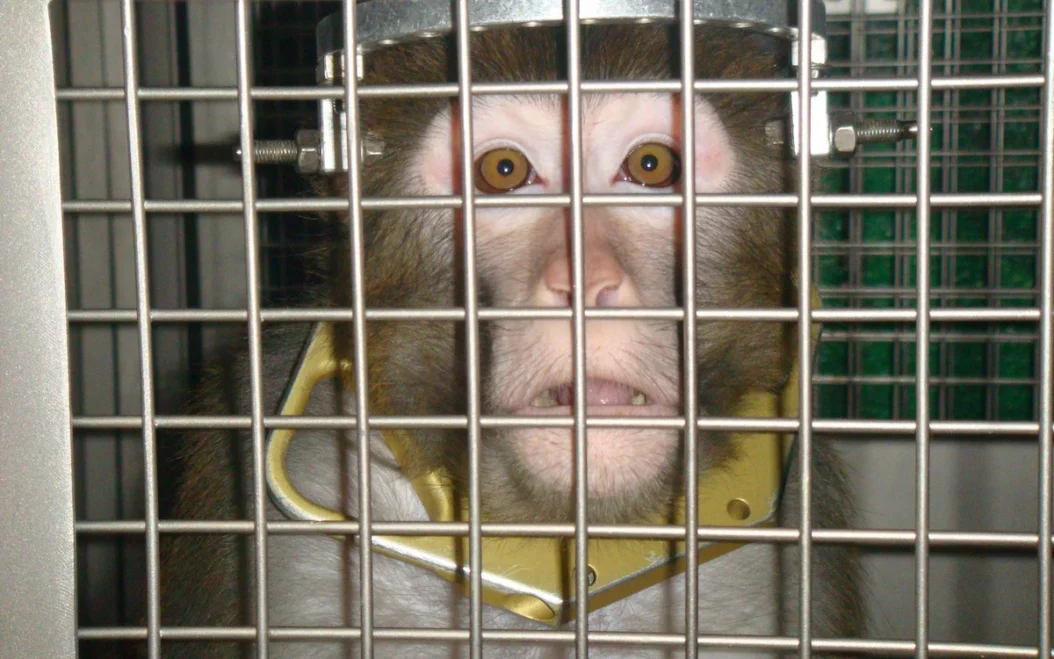
Why is the CDC ending its primate research program?
The CDC has signaled it will end its primate research program as part of a broader federal shift away from animal-based studies. The program has long relied on primates—including endangered long-tailed macaques—despite producing few meaningful benefits for human health. The agency’s withdrawal reflects growing recognition that primate tests are costly, unreliable, and increasingly unnecessary given modern scientific tools.
What recent actions has the FDA taken to reduce primate testing?
Following congressional momentum from the FDA Modernization Act 2.0, the FDA released its “Roadmap to Reducing Animal Testing in Preclinical Safety Studies,” committing to human-relevant, non-animal technologies. The agency also issued a new draft guidance, “Monoclonal Antibodies: Streamlined Nonclinical Safety Studies,” which allows many six-month primate toxicity studies to be reduced or eliminated. For more background on why monoclonal antibodies are the first major targets for animal-free testing reforms at the FDA, see this explainer from the Center for a Humane Economy.
Why do primate tests often fail to predict human responses?
More than 90% of drugs that pass animal tests—including primate studies—fail in human clinical trials. This failure rate underscores the limited ability of primate biology to model human physiology accurately. Federal agencies now increasingly acknowledge that primate tests are poor predictors of human responses and are turning to tools that rely directly on human cells, tissues, and computational models.
What risks are associated with the international primate trade?
Investigations have uncovered extensive smuggling operations, with wild macaques captured, laundered through fraudulent permits, and shipped into U.S. laboratories as supposedly captive bred. Beyond invalidating scientific studies, this illicit trade increases the risk of introducing dangers pathogens such as tuberculosis, simian retroviruses, and Herpes B into laboratories and communities. The trade also contributes to dramatic population declines in the endangered long-tailed macaque.
What are NAMs (New Approach Methodologies)?
NAMs are modern, human-centered research tools that can replicate key aspects of human biology far more accurately than primate or other animal tests. They include organ-on-chip systems, human organoids, microphysiological systems, and advanced AI computational models. Federal agencies are increasingly investing in these technologies as they offer more predictive, ethical, and efficient pathways to medical progress.
Why are federal agencies shifting toward human-relevant alternatives now?
Federal agencies are moving rapidly toward human-relevant science because several forces have converged at once. The FDA Modernization Act 2.0, enacted in 2022, eliminated the federal mandate that drugs be tested on animals before entering human trials, clearing a major legal barrier that had locked agencies into outdated models for decades. At the same time, the poor predictive performance of primate and other animal tests, escalating public-health risks from global primate trafficking, and major advances in organoids, organ-on-chip systems, computational toxicology, and human clinical data tools have made non-animal approaches both scientifically superior and far safer.
The CDC’s exit from primate testing, combined with the FDA’s new guidance reducing primate requirements, signals one of the most consequential realignments in U.S. biomedical research policy in a generation—reflecting a broad shift toward methods grounded directly in human biology, not animal proxies.