Elephant Rescue in Thailand: Inside the Save Elephant Foundation’s Lifesaving Work
From climate-resilient infrastructure to life-saving rescues, a sanctuary adapts — and endures — in a changing world
By Victoria Garafola
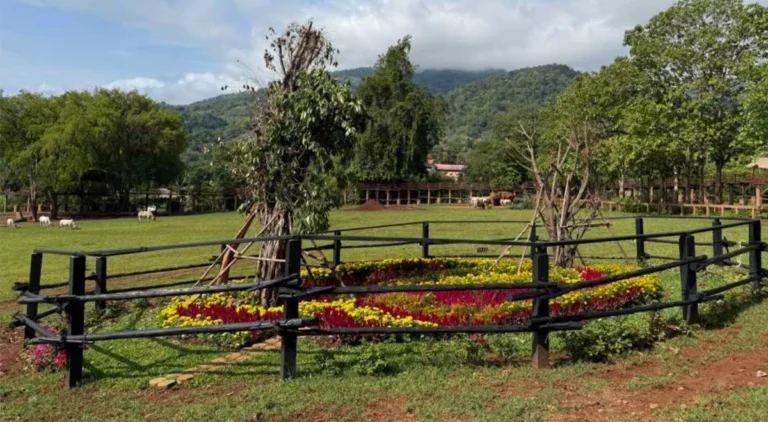
Nestled in the misty highlands of northern Thailand, Elephant Nature Park (ENP) is a refuge for elephants rescued from exploitation. Surrounded by verdant jungle, the park is a breathtaking example of ethical ecotourism. As Thailand’s climate becomes increasingly volatile, however, this peace is becoming harder to protect.
In October 2024, catastrophic flash floods tore through the valley, claiming the lives of two cherished elephants and threatening the safety of every being who calls the sanctuary home. The experience prompted founder Sangduen “Lek” Chailert of ENP and the Save Elephant Foundation to incorporate climate resilience into all future plans and expansions.
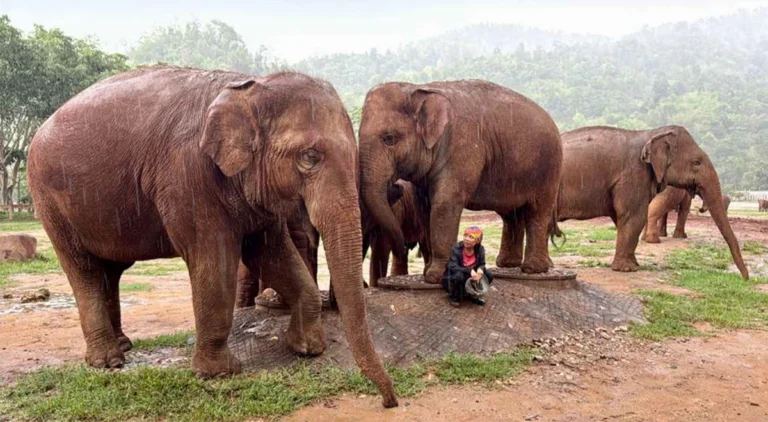
Lek walks among her elephants, cocooned in their enormous sanctum, when the sky suddenly opens. The animals rush to her side, surrounding her as she soothes them with lullabies, a song the elephants seem warmly familiar with. They form a living wall around her, protecting her in the same way she protects them. She has built a true refuge through her daily rhythm of care, safety, and trust. She has created a bond with her animals rooted in mutual devotion.
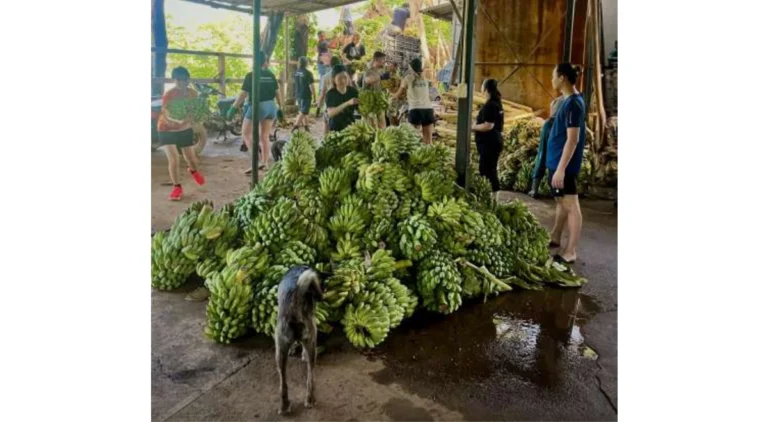
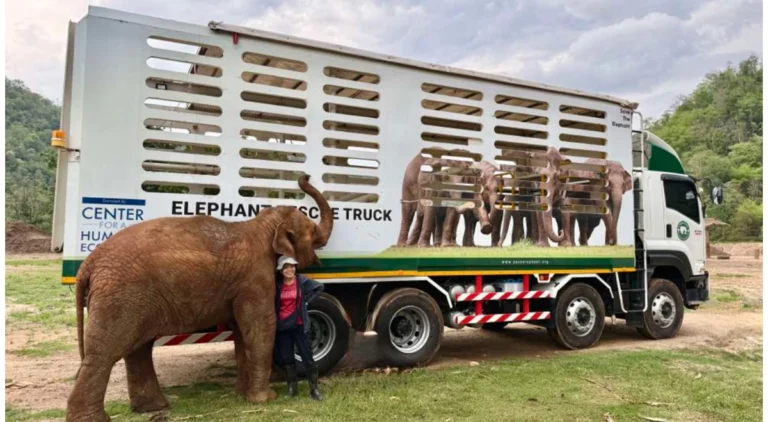
Representing the Center for a Humane Economy, I recently visited the sanctuary to report on the remarkable recovery. The Center, whose efforts here were led by Jennifer McCausland, has played a vital role in supporting these improvements. Since 2021, the Center has offered direct aid in the form of emergency food relief, donations for land acquisition, and a specially equipped elephant transport truck.
The park has worked tirelessly to restore what was lost and to prepare for an increasingly uncertain future. At the heart of this work is Lek herself. Her efforts have transformed public understanding of the dark side of elephant tourism. She has rescued animals from horrific conditions across Thailand and international borders, sparing them from agonizing lives in logging, street begging, and forced performances.
Building Safety into the Landscape
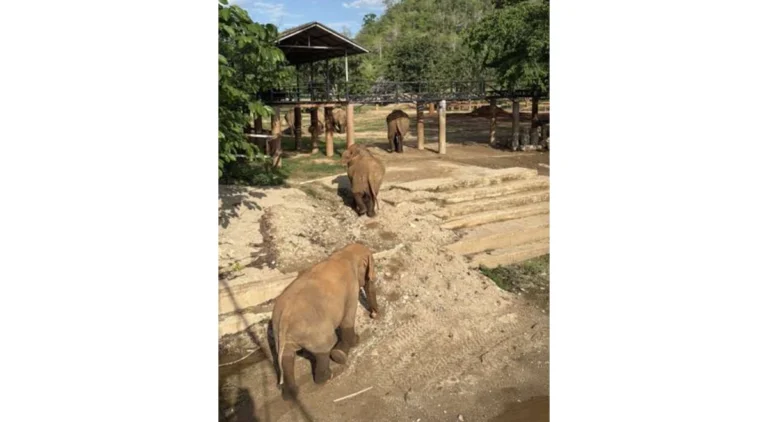
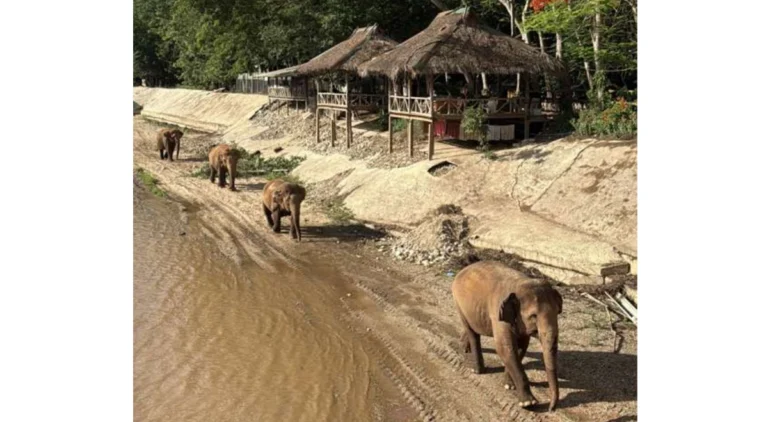
Like many regions, Thailand’s weather is becoming increasingly extreme and unpredictable. As flash flooding and severe storms become more common, the park is expanding to higher ground and building infrastructure to provide safer refuge for all the lives in its care.
Lek explained that moving the elephants into the mountains is a vital step for animal safety as climate change fuels more devastating floods each year. The park has been using donations to create shelters for each elephant, a move that Lek hopes will prevent tragedies like last year’s flood. With $10,000, Lek can build a sturdy shelter for an elephant—a feat that would cost more than $1 million in the United States—underscoring how far each donation goes.
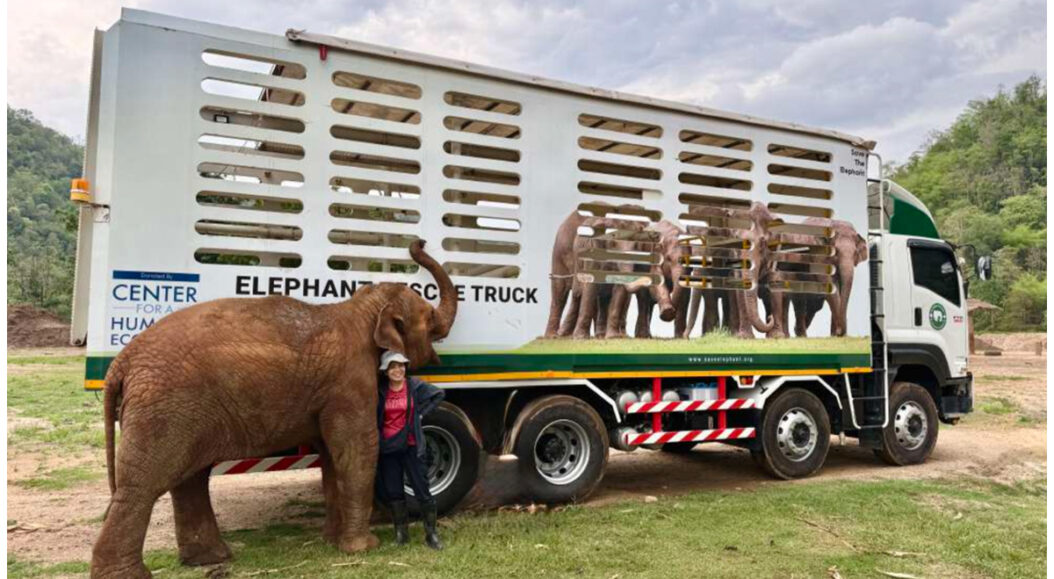
The impact of the custom elephant rescue truck is undeniable. For years, Lek rescued elephants throughout Thailand using rented or outdated vehicles, many of which were not equipped to safely carry large animals over long distances. Since receiving the vehicle in 2023, the truck has been integral to the rescue of dozens of large mammals, including elephants, buffalo, and other traumatized animals in distress.
It provides a safer, temperature-controlled environment for animals who are often weak, injured, or severely traumatized. The truck is also used to transport elephants within the sanctuary grounds for medical checkups and relocations, making daily operations more humane and efficient.


A Trunk Raised, a Tree Planted
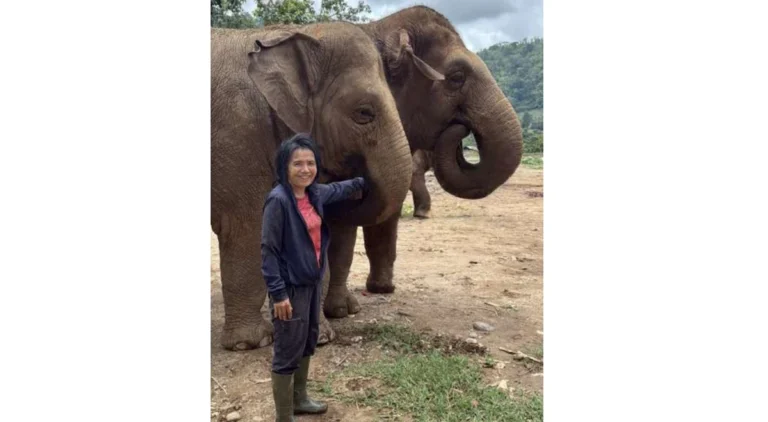
In Thailand, elephants are regularly used to beg in the streets, forced to stand emaciated in direct sunlight to prey on the emotions of tourists. Nam Thip was rescued from such conditions after spending long days under the sweltering Southeast Asian sun. At night, when she should have been resting, she was paraded around pubs and street bars.
While Nam Thip has recovered since finding sanctuary at Elephant Nature Park, her small stature and bowed bones remain visible scars of her traumatic past.
The Center for a Humane Economy partnered with the Save Elephant Foundation to mobilize resources and secure more than $80,000 in funding for the rescue of Nam Thip and another elephant, Som Boom. Both elephants were transported using the specialized rescue truck donated by the Center.
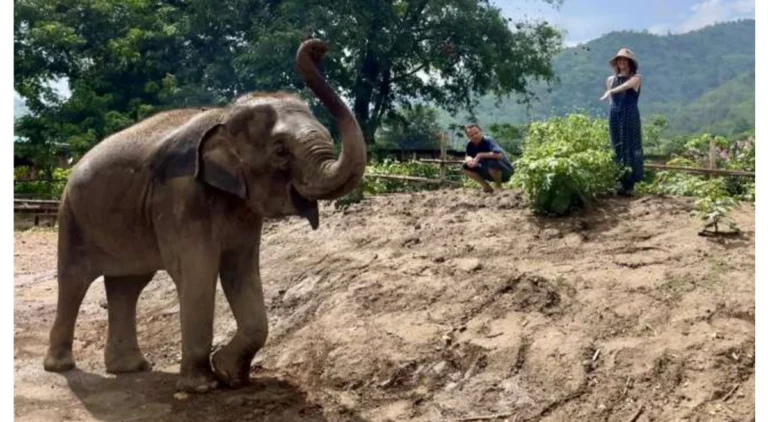
Today, Nam Thip walks freely throughout the sanctuary, lifting her trunk like a cheerful greeting. For the first time in her life, she can experience a semblance of a natural existence, with land to graze, water to bathe in, and other elephants with whom to form social bonds and express her natural instincts. Sadly, once an elephant has had its spirit broken for human entertainment and exploitation, it is rarely able to revert to true wildness. But thanks to donor support, Nam Thip now lives safely in the lush mountains, cared for and protected.
Som Boom’s story spans borders. One of the last elephants to be legally captured in Cambodia, she was used in the logging industry before being trafficked to Thailand, where she was forced to give rides to tourists, beg in the streets, and perform in ceremonies. Her rescue allowed Som Boom to live out her twilight years with the dignity she deserved.
During this visit, I paid my respects at Som Boom’s final resting place, marked by a freshly planted tree in the rescue cow pasture. In a world where even deceased elephants are sometimes mutilated and sold, the trees at ENP stand as living monuments to the sanctity of life.
A Legacy of Compassion
Lek’s husband, Darrick Thomson, learned to care for the animals and land directly from his wife. Darrick is the only person who walks barefoot throughout the sanctuary. A few hours into a walk, Darrick finds a stray nail — small enough to go unnoticed by those in boots, yet dangerous for soft, unprotected paws. Elephants have surprisingly sensitive skin, and feeling the ground beneath his feet is his way of keeping them safe.
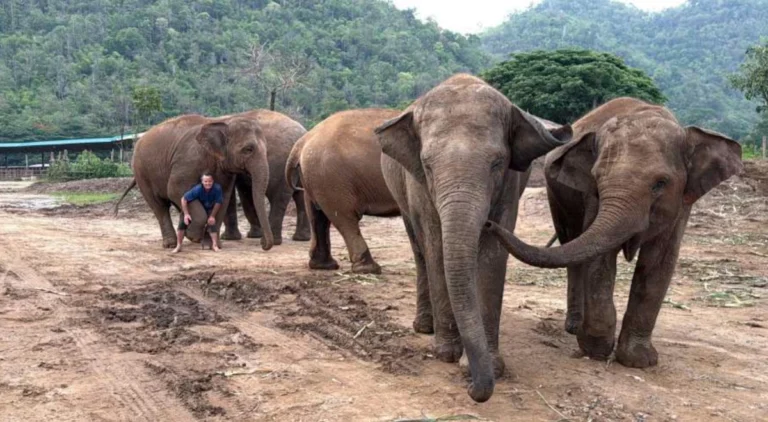
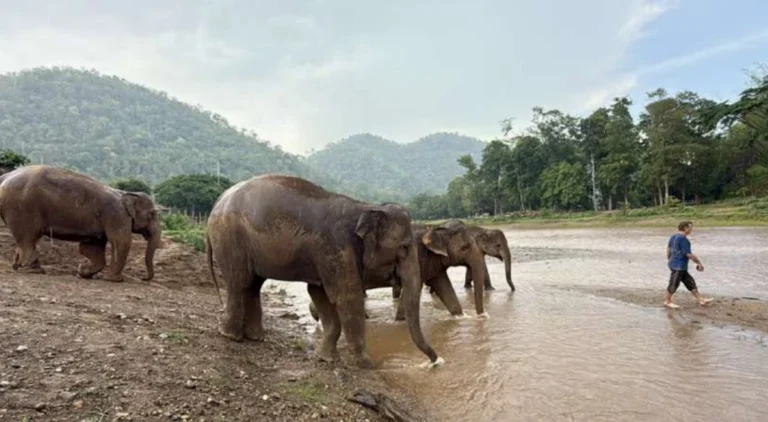
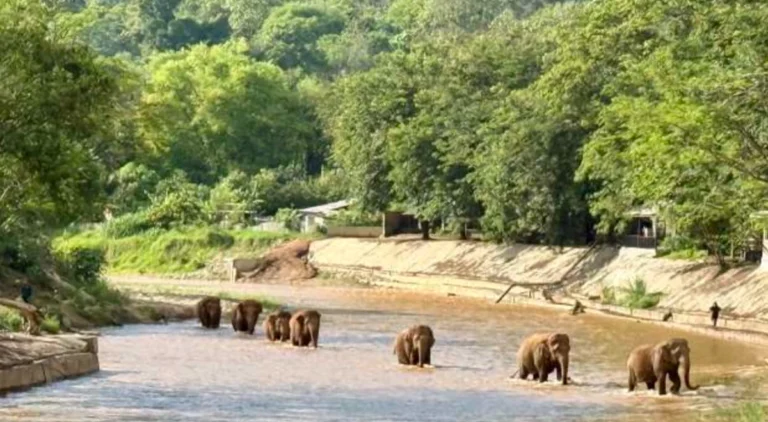
Darrick knows each elephant by name. They come enthusiastically when he calls, a striking sight for those unaccustomed to such trust. The herd follows him confidently into the river to splash, bathe, and play.
As visitors follow Darrick across the property, they learn that Lek and the ENP team are already building a better future for animals across the Chiang Mai region. Construction is underway on the area’s first and only elephant hospital, which will serve animals from surrounding communities and be the only such facility within several hours of the sanctuary.
Where others saw profit, Lek recognized pain. In a world where animals are sold, slaughtered, and exploited every day, Sangduen “Lek” Chailert offers something rare: a sanctuary rooted in compassion. Elephant Nature Park is a model for ethical tourism and a quiet rebellion against cruelty — one that replaces dominance with dignity. Even the trees hold meaning here, their roots stretching into soil made sacred by love and loss. They stand as living tributes to lives once broken, now laid to rest. In this place, freedom is not just an idea. It is something you can feel — in the earth, in the air, and in the way the elephants walk without fear.
In-depth
Frequently Asked Questions About Elephant Rescue in Thailand
What is elephant rescue?
Elephant rescue involves removing elephants from abusive, exploitative, or dangerous situations and providing them with lifelong care in a safe, natural environment. Effective elephant rescue prioritizes animal welfare, medical treatment, social rehabilitation, and protection from further exploitation.
Why is elephant rescue needed in Thailand?
For decades, many Thai elephants have been used in logging, street begging, tourist rides, and forced performances. These practices often result in physical injuries, psychological trauma, and shortened lifespans. Elephant rescue sanctuaries in Thailand provide an alternative — protecting elephants from abuse while allowing them to live in more natural, social settings.
How does Elephant Nature Park rescue and care for elephants?
Elephant Nature Park rescues elephants from harmful industries and provides lifelong sanctuary in northern Thailand. Rescued elephants receive veterinary care, nutritious food, space to roam, and the opportunity to form social bonds with other elephants — key components of ethical elephant rescue and rehabilitation.
What role does the Save Elephant Foundation play in elephant rescue?
The Save Elephant Foundation supports elephant rescue by funding emergency interventions, land acquisition, food relief, veterinary care, and specialized transport for rescued animals. Working closely with Elephant Nature Park, the foundation helps ensure Thai elephants receive long-term protection and humane care.
What is the elephant rescue transport truck, and why is it important?
The elephant rescue truck, provided by the Center for a Humane Economy, is a specially equipped vehicle designed to safely move elephants over long distances. Unlike standard trucks, it provides temperature control and secure space for injured or traumatized animals. This truck has been critical in rescuing Thai elephants from emergency situations and transporting them safely to sanctuary.
Can rescued elephants ever return to the wild?
Most rescued elephants cannot be released into the wild due to injuries, trauma, or lifelong dependence on human care. Elephant rescue sanctuaries instead focus on giving these animals the highest possible quality of life — freedom from exploitation, access to natural environments, and companionship with other elephants.