


LOUISVILLE — The Center for a Humane Economy and Animal Wellness Action and the today issued the following statement in response to a deeply reported investigation by the Louisville Courier-Journal documenting the ongoing toll of lead poisoning on Kentucky’s bald eagles and other raptors.
The article, “Inside the Mission to Save Kentucky’s Eagles from Lead Poisoning,” details a persistent and preventable crisis: widespread exposure of eagles to toxic lead from spent ammunition and fishing tackle, with devastating neurological and physiological effects on bald eagles protected under the Migratory Bird Treaty Act.
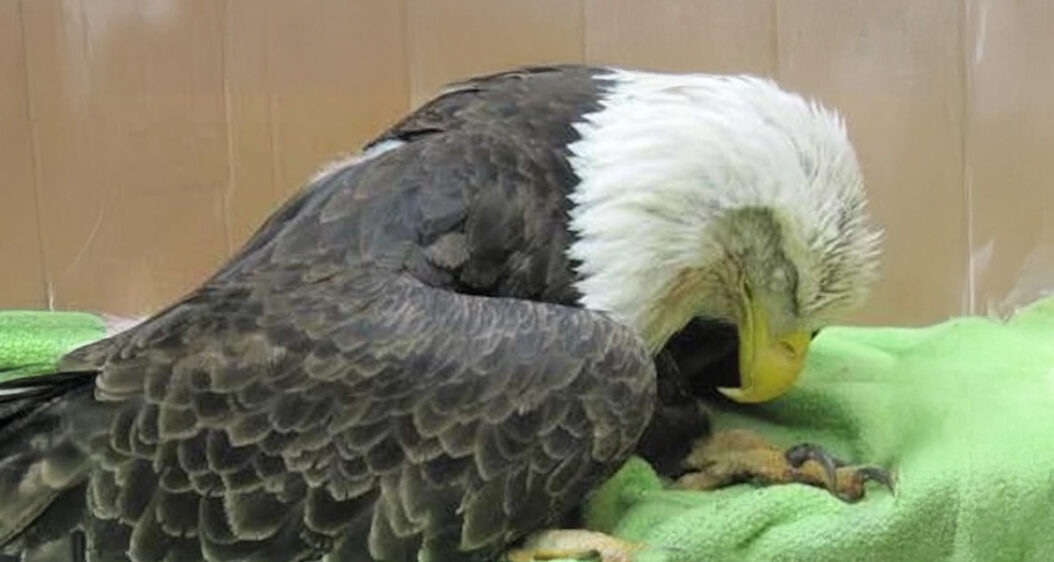
“Bald eagles are dropping out of the sky because they are ingesting lead fragments dispersed all across Kentucky,” said Wayne Pacelle, president of the groups. “It’s claiming the lives of a startling number of eagles, and it’s all preventable: get rid of lead ammunition and use copper, tungsten, bismuth, or other elements or alloys that don’t keep killing long after the ammunition has left the barrel.”
According to the story, roughly 90% of eagles treated by a Kentucky rehabilitation facility are suffering from lead poisoning, which should be a wake-up call for policymakers. Even more troubling is the growing body of science showing that nearly half of North America’s eagles carry evidence of chronic lead exposure, suppressing population growth and undermining decades of conservation success.
A landmark 2022 study published in the journal Science documented continent-wide lead poisoning in bald and golden eagles. The eight-year study of 1,210 eagles across 38 states found that nearly half of eagles had bone lead levels consistent with chronic poisoning, and roughly one-third showed evidence of acute exposure. Lead fragments in the remains of hunted animals were identified as a primary driver of these population-level effects.
“Kentucky should move with other states and wean itself off of lead ammunition in hunting,” said Pam Rogers, Kentucky state director for Animal Wellness Action. “If the U.S. Army can switch to copper, so can hunters. It’s safer for them and their families, and it will stop the indiscriminate killing of wildlife.”
“Nonlead options perform as well or better, and they will save the lives of people unintentionally consuming lead in their wild-game diets,” Pacelle said. “There is no safe level of lead consumption. We’ve taken lead out of gasoline, paint, and toys, and it’s time to switch to widely available, comparably priced nonlead ammunition.”
Despite its known toxicity, lead-based ammunition remains the largest source of unregulated lead intentionally released into U.S. lands and waters. The Environmental Protection Agency (EPA) estimates that about 73,000 tons of lead are deposited by hunters and target shooters each year. This figure includes spent lead shot and bullet fragments left in fields, forests, and wetlands during hunting and target shooting activities.
Animal Wellness Action’s comprehensive report is available here: Lead Ammunition Report (Jan. 8, 2026)