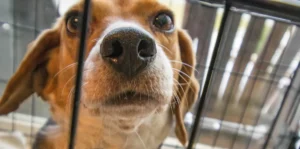
Ridglan Farms is closing. Now we must end the laboratory pipeline for good.
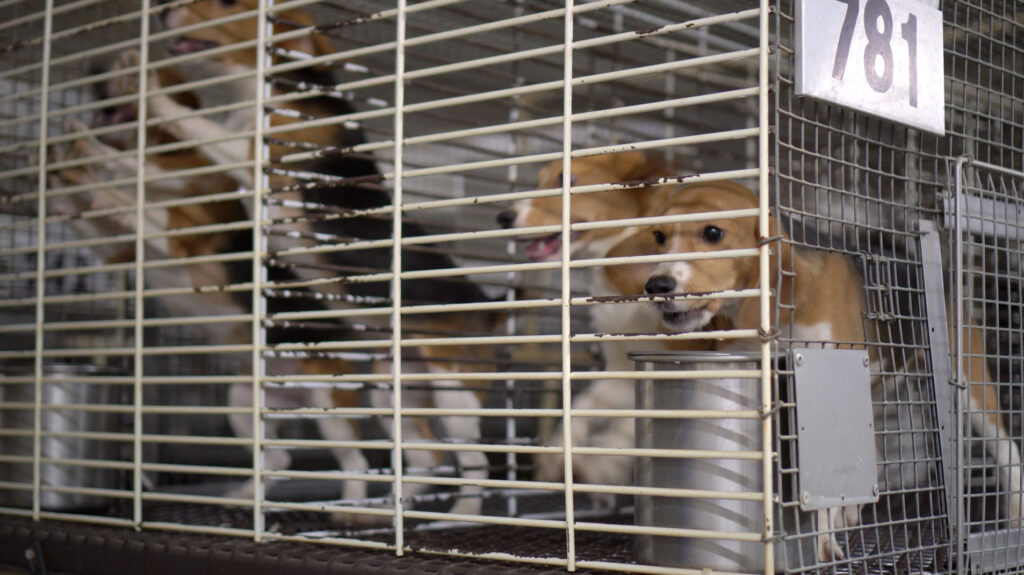
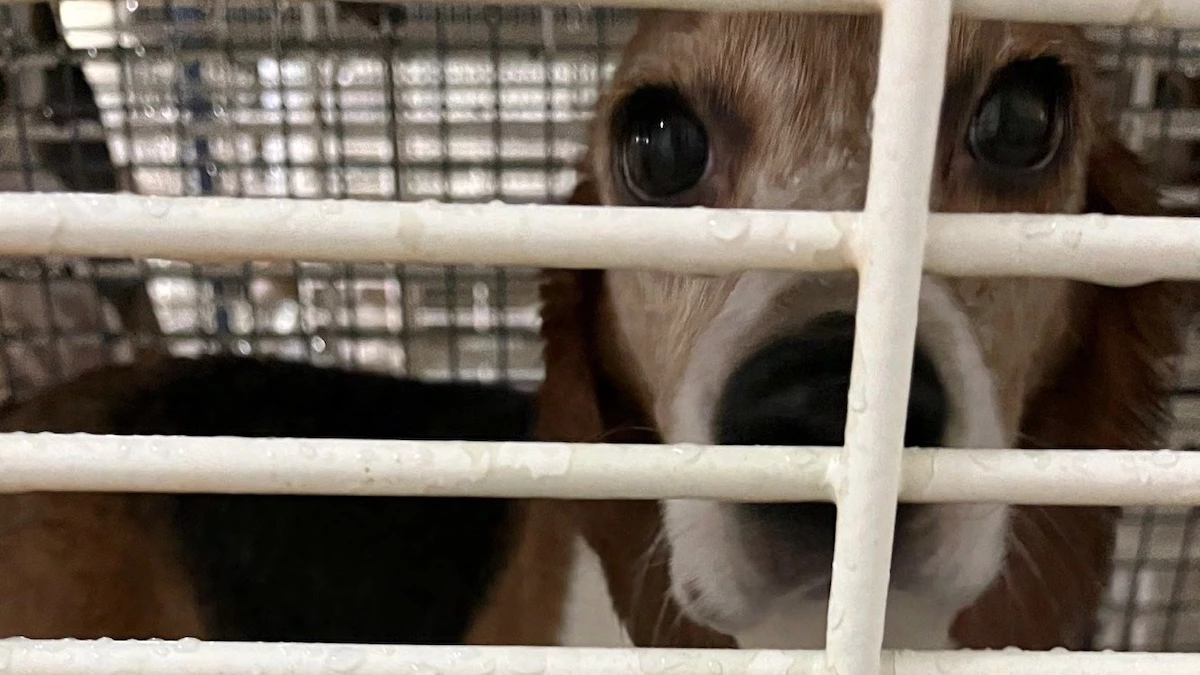
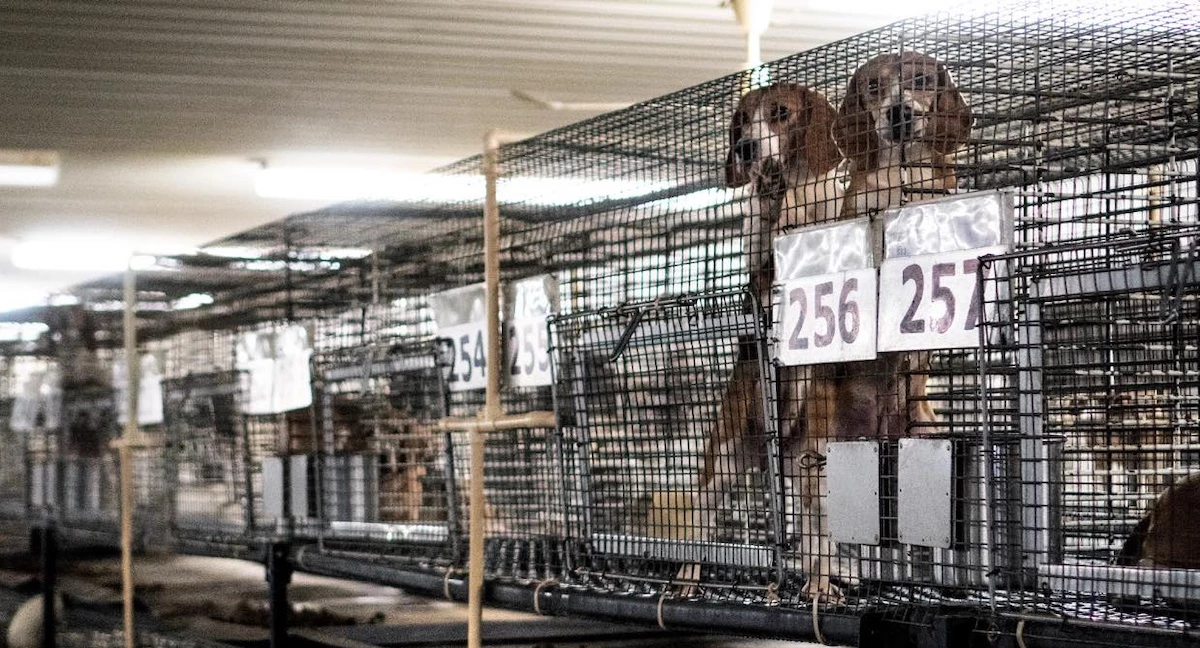
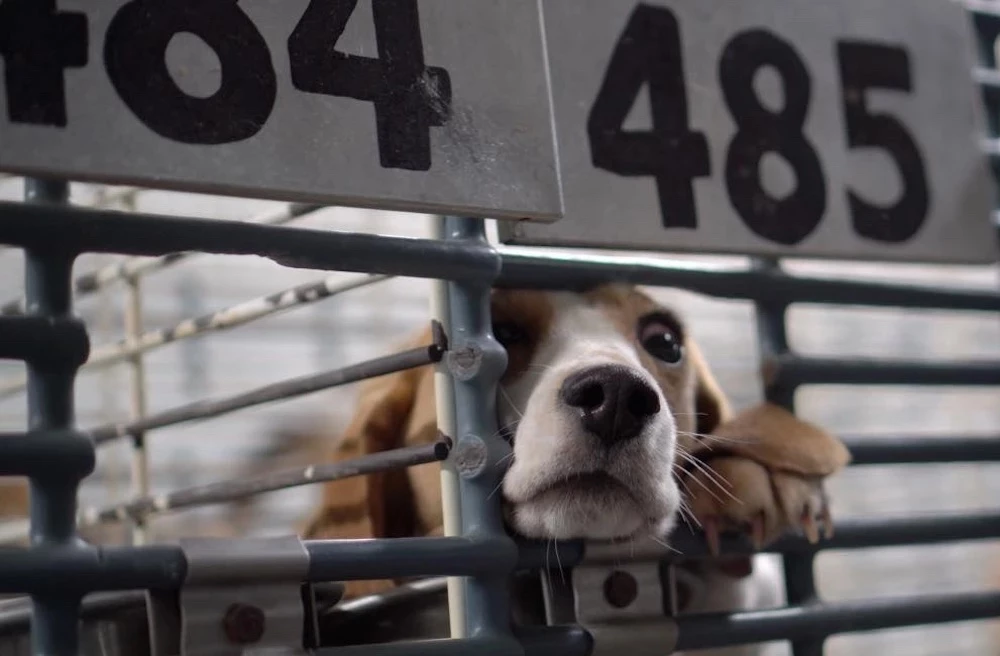
More than 2,100 beagles have escaped lives destined for laboratory experimentation. One of America’s largest commercial suppliers of dogs for research is shutting down. But our work is far from over.
A Historic Victory for Animals
The campaign to empty Ridglan Farms has reached its conclusion.
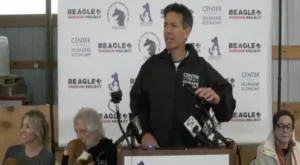
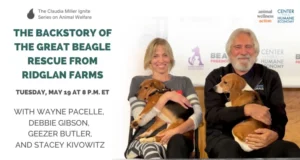
Over the past several months, the Center for a Humane Economy, Animal Wellness Action, and dozens of rescue organizations, veterinarians, transport specialists, volunteers, donors, and lawmakers came together to accomplish something many believed impossible.
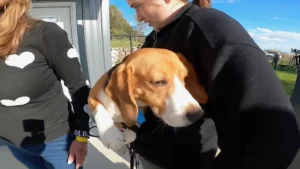
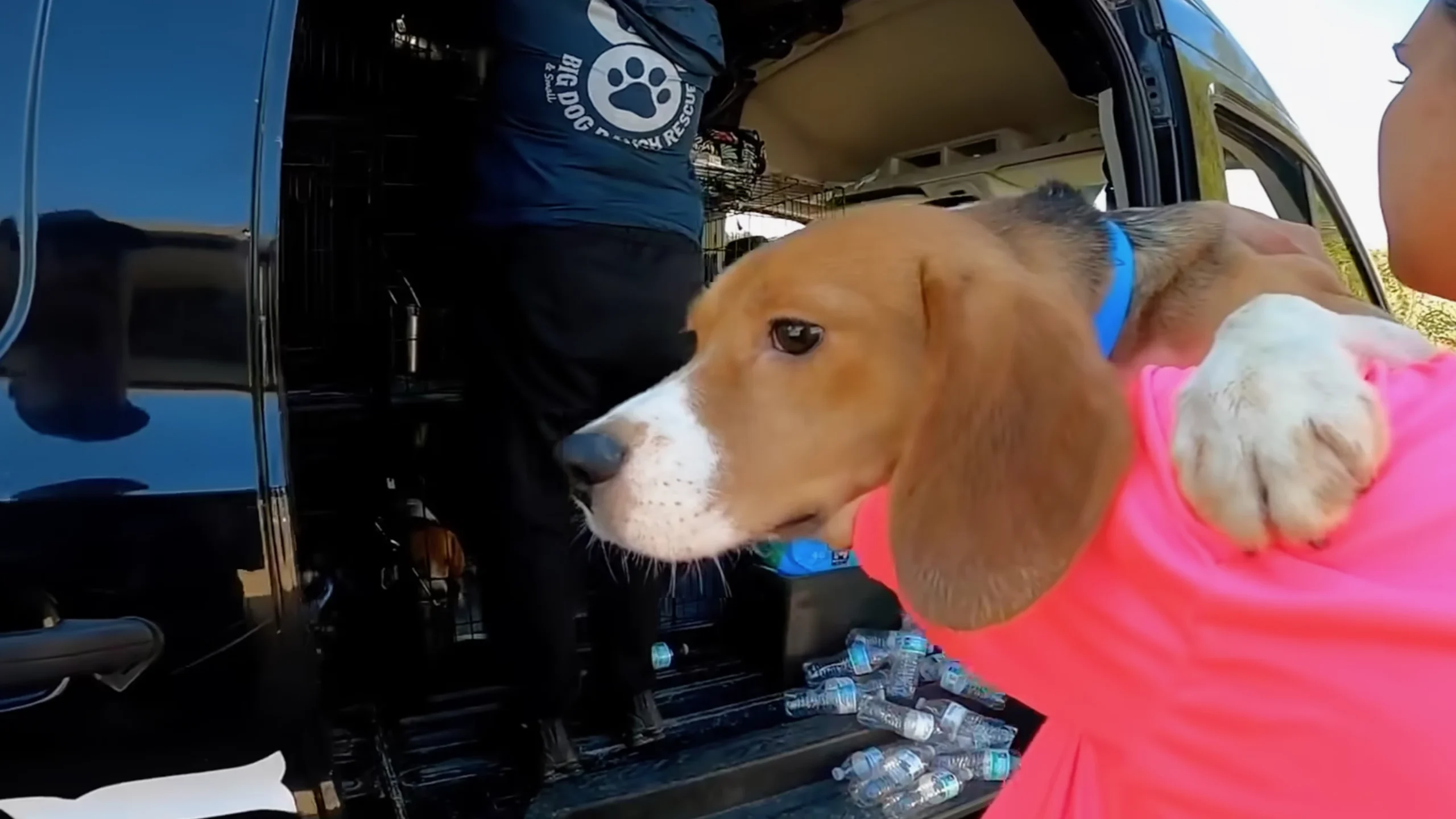
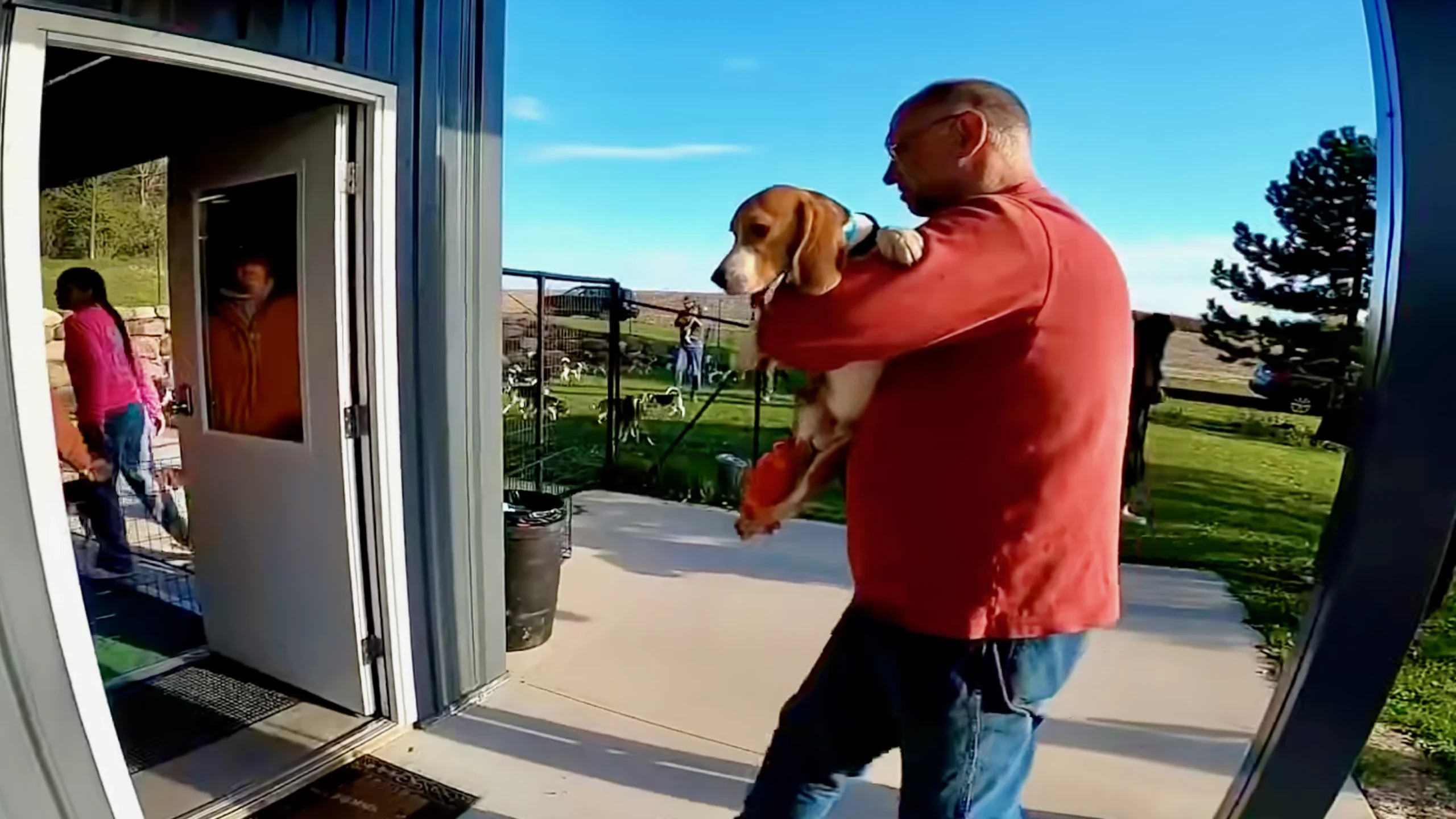
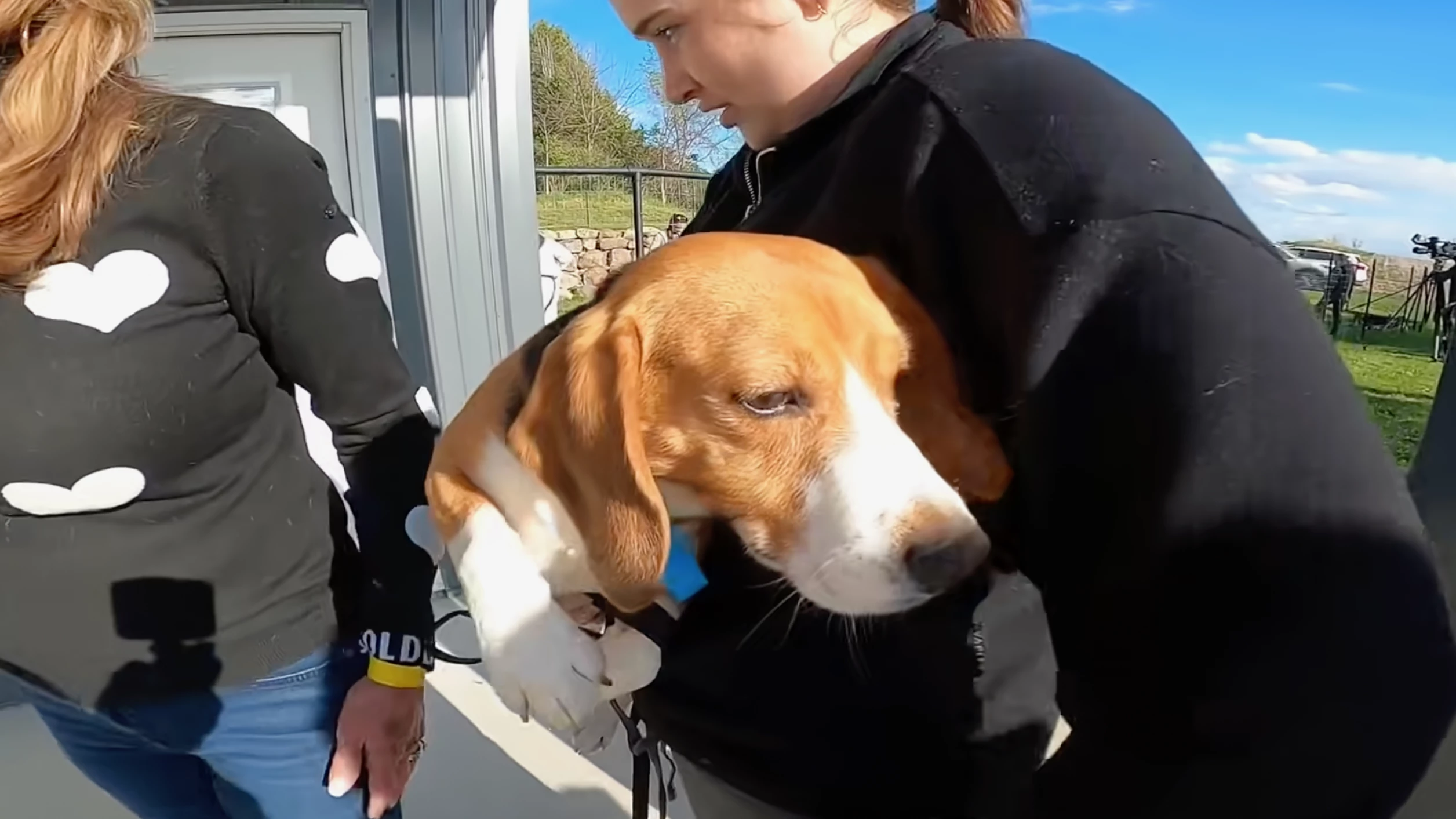
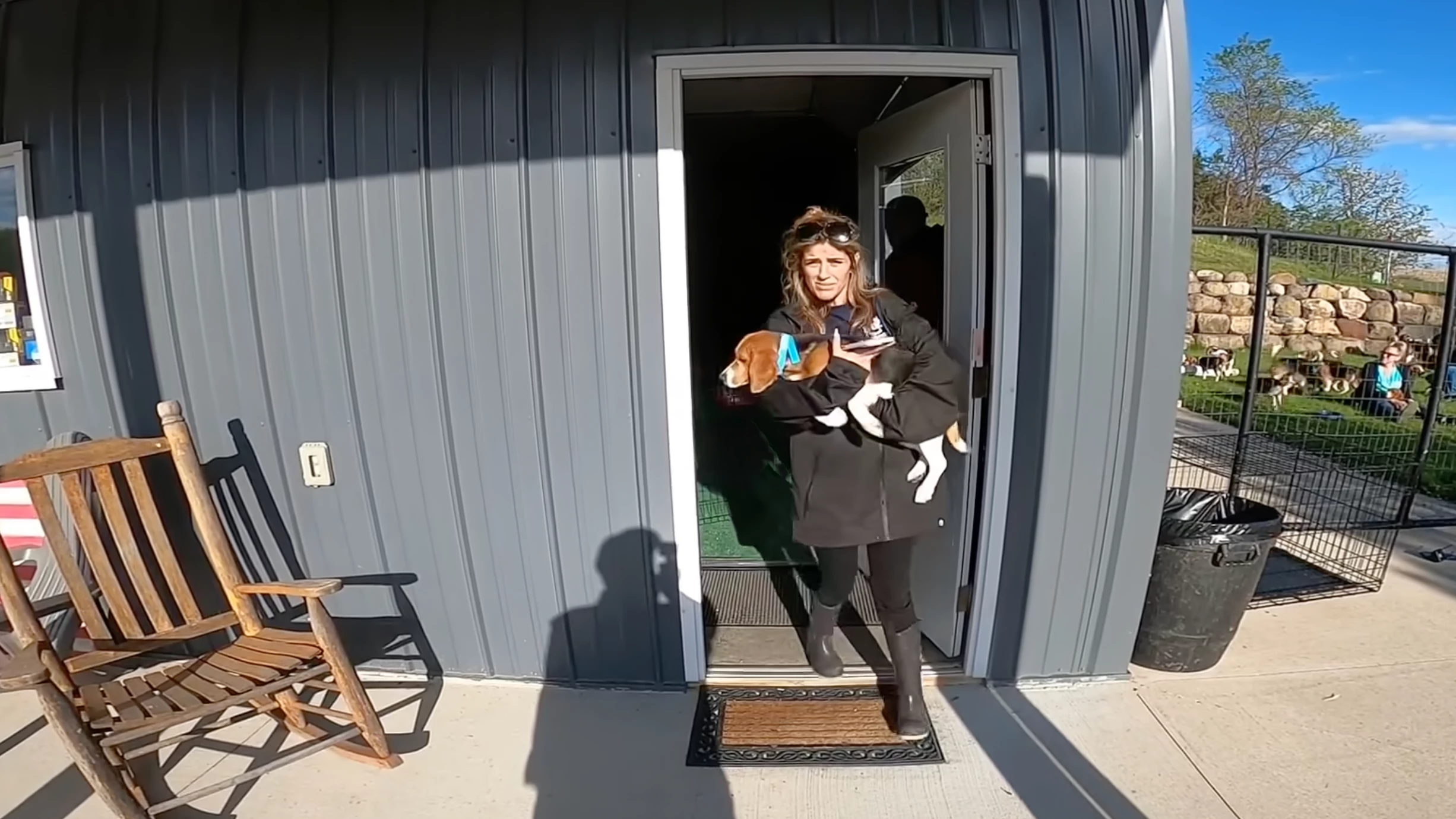
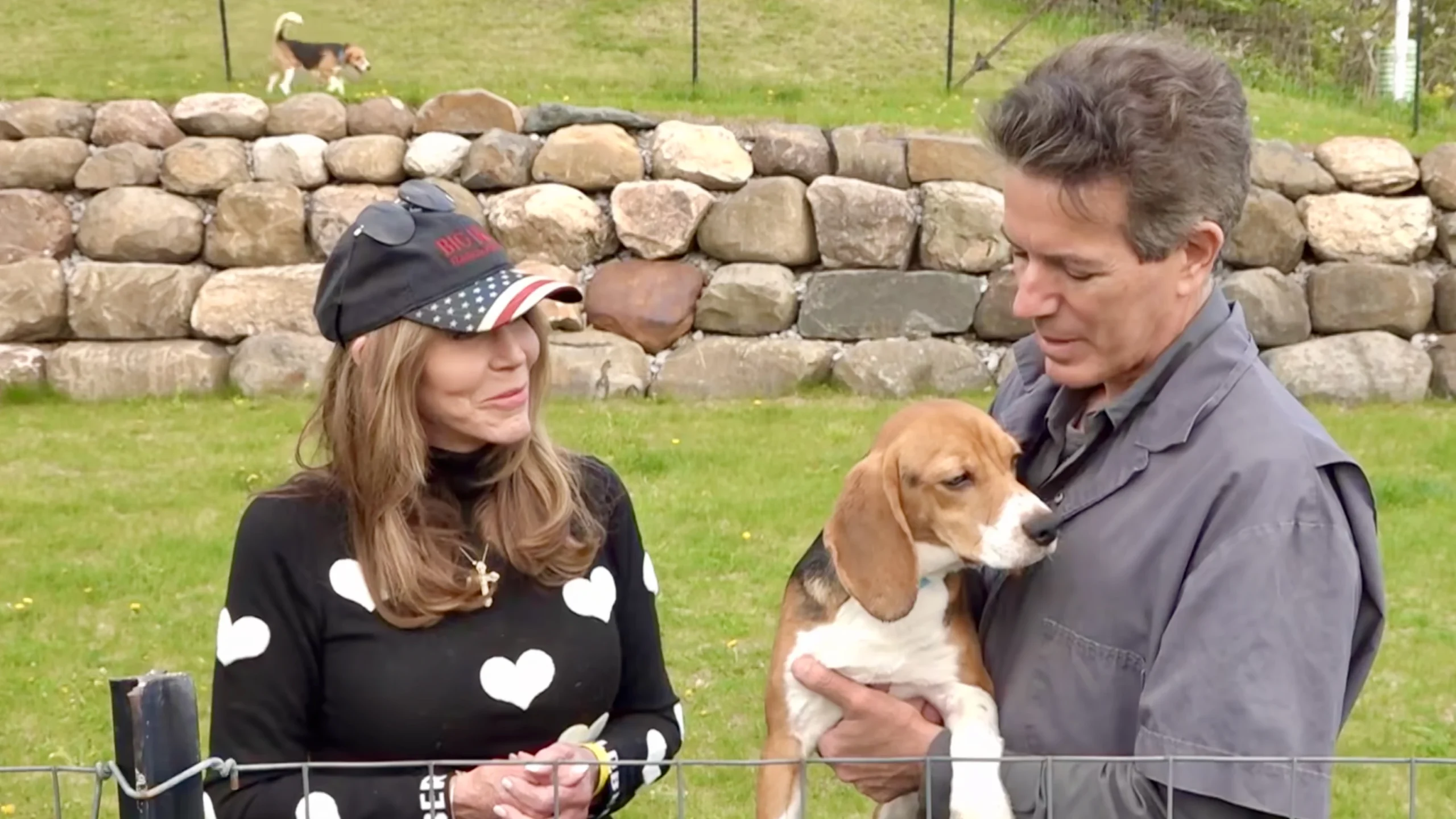
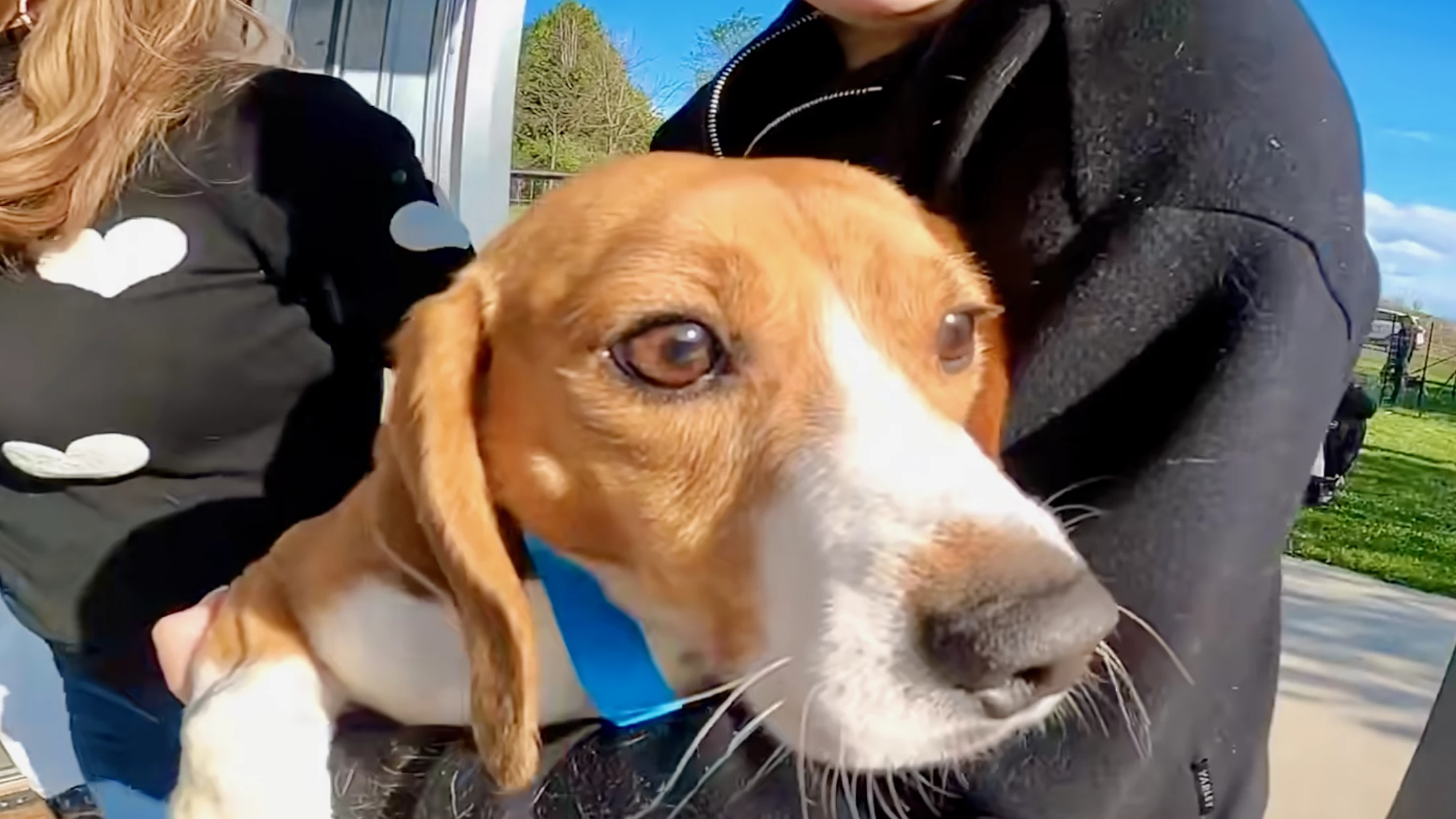
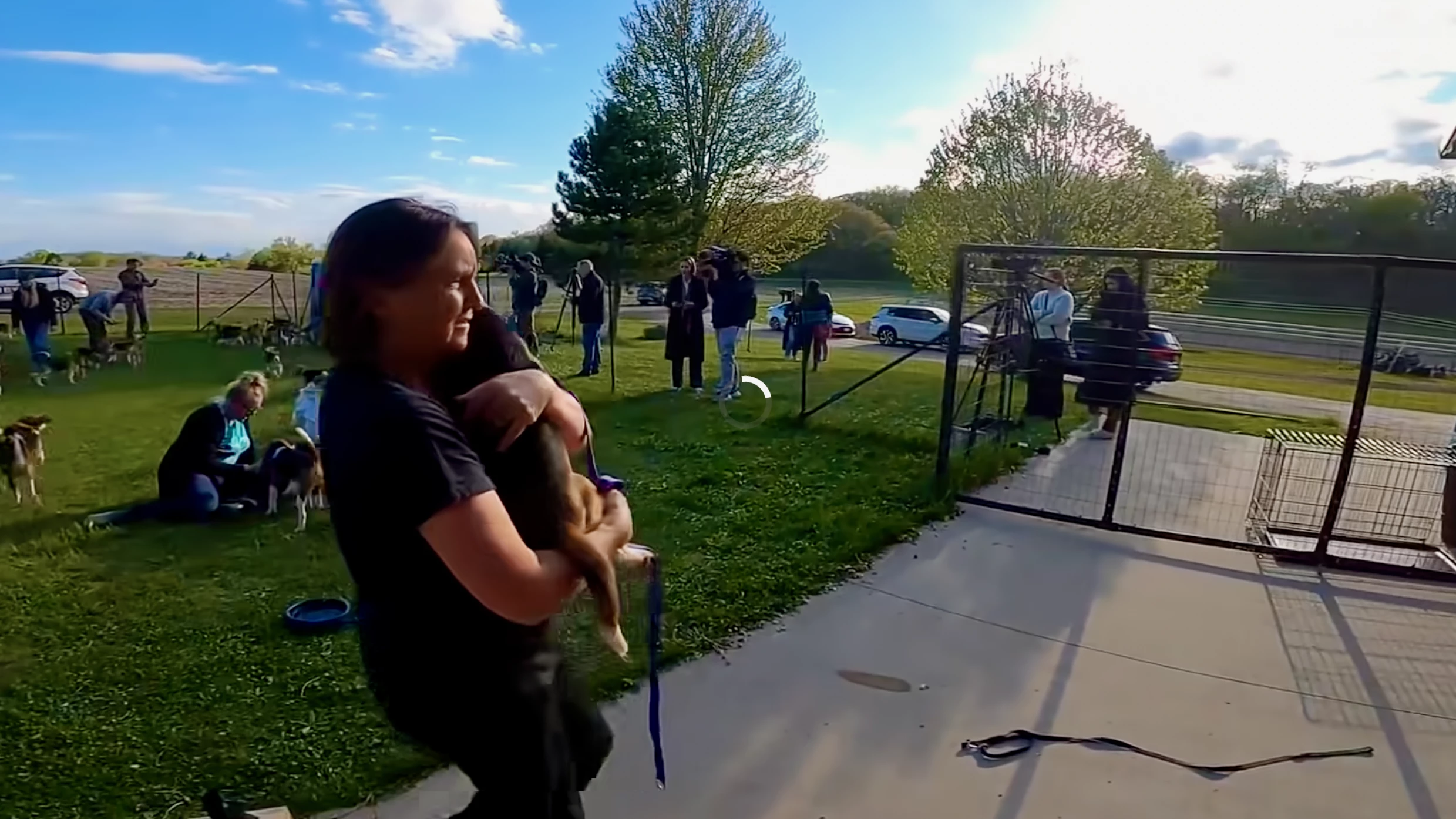
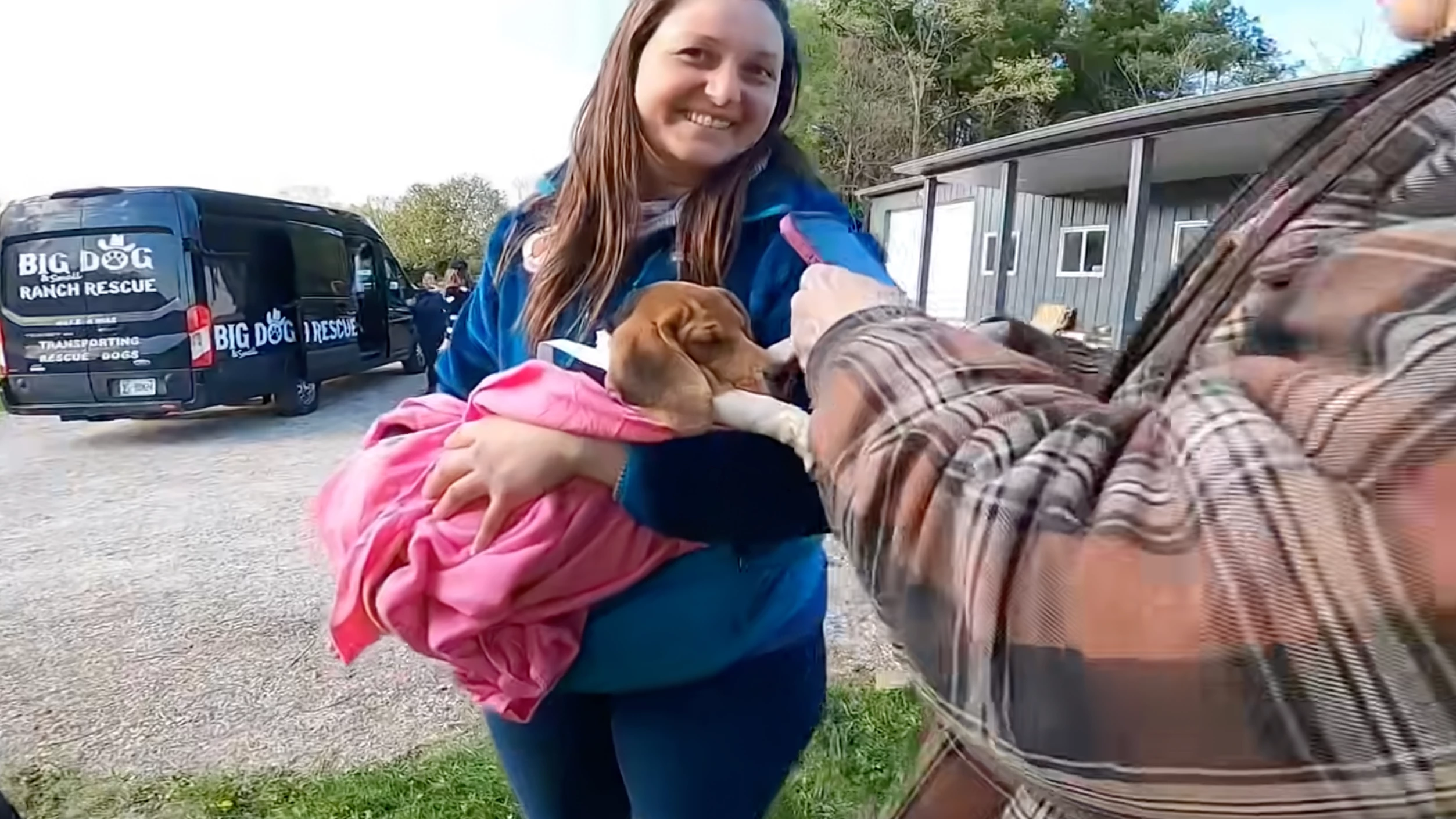
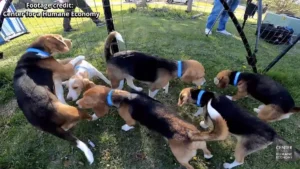
More than 2,100 beagles once destined for laboratories have been removed from Ridglan Farms and placed on a path toward rehabilitation, foster care, and adoption.
With agreements now in place for the transfer of every remaining dog, Ridglan Farms is shutting down.
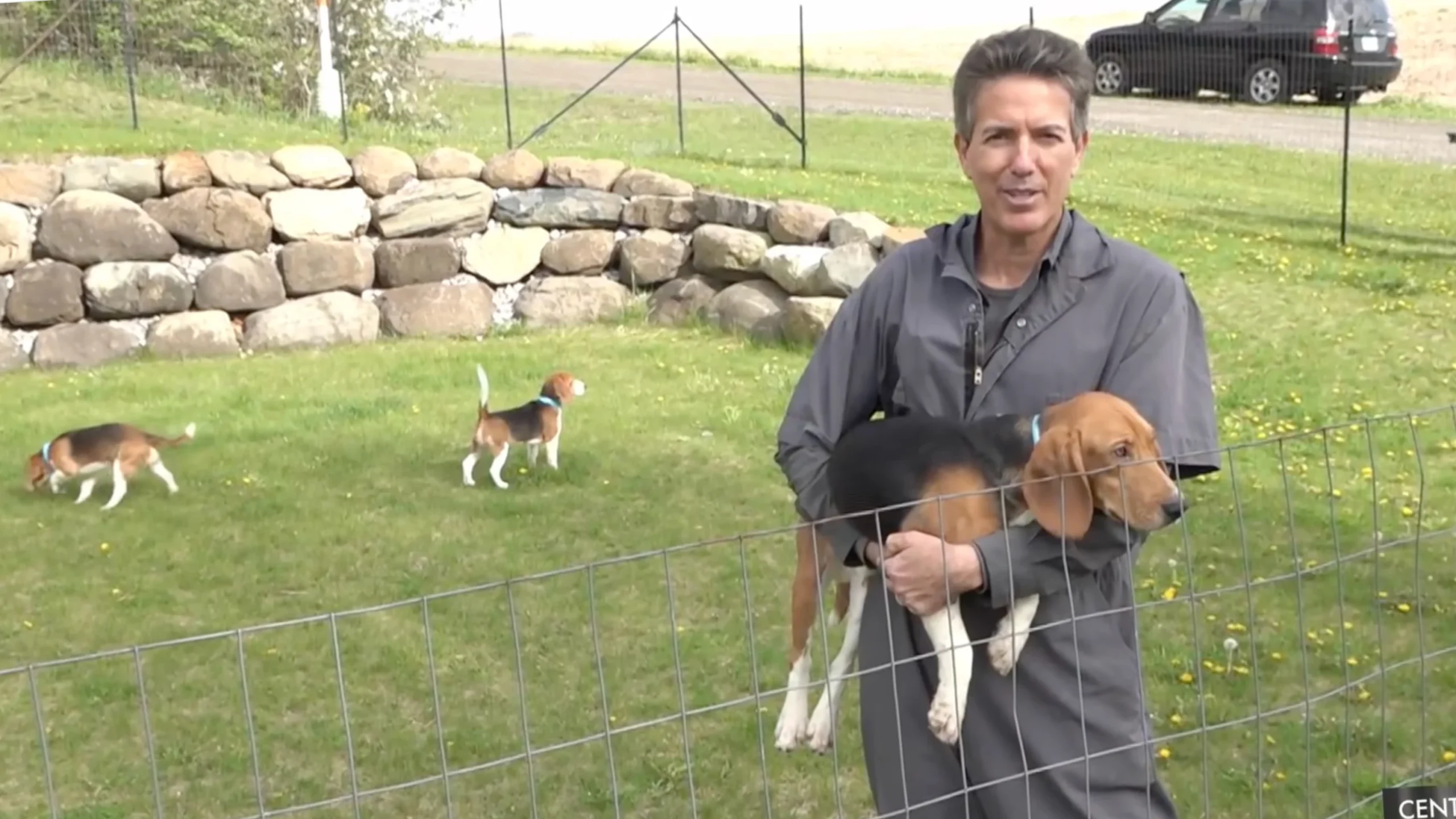
Thousands of dogs who otherwise would have lived behind laboratory walls will instead know soft beds, open fields, caring families, and the simple joys every dog deserves.
This is one of the largest victories ever achieved against the commercial breeding of dogs for laboratory experimentation.
This Isn't the End of the Story
Closing Ridglan Farms is an extraordinary achievement.
But it does not end the use of dogs and cats in taxpayer-funded research.
Across the United States, animals continue to be bred, purchased, and used in federally funded experiments despite the rapid development of modern technologies that often produce results more relevant to human biology.
Our mission has always been larger than one facility.
Our mission is to end the laboratory pipeline itself.
From Rescue to Reform
The Ridglan campaign has always pursued two goals.
The first was to rescue as many dogs as possible.
The second was to ensure fewer dogs would ever need rescuing again.
That second mission now becomes our primary focus.
Working with bipartisan allies in Congress and federal agencies, we are advancing policies that replace outdated animal experimentation with innovative, human-relevant scientific methods that are faster, more predictive, and often less expensive than traditional animal testing.
The closure of Ridglan Farms demonstrates that change is not merely possible — it is already happening.
The Next Front: Ending NIH-Funded Dog and Cat Experiments
The National Institutes of Health remains one of the largest sources of taxpayer funding for experiments involving dogs and cats.
The Center for a Humane Economy and Animal Wellness Action are working with congressional leaders to redirect federal research investments toward advanced, non-animal methods while reducing and ultimately ending NIH-funded experiments involving dogs and cats.
Our beliefs are straightforward:
Modern science deserves modern research methods.
Taxpayers deserve better returns on their investment.
Animals deserve far better treatment.
Building on FDA Modernization
Our work helped secure passage of FDA Modernization Act 2.0, removing outdated federal requirements that drugs be tested on animals before human clinical trials.
Now we are advancing FDA Modernization Act 3.0 to accelerate adoption of:
Organ-on-chip technology
AI-assisted toxicology
Advanced cell-based testing
Computational biology
Other human-relevant research methods
These technologies promise faster discoveries, lower costs, and better outcomes for patients—without relying on dogs, cats, or other animals.
1,635
Beagles Saved and Counting
Photo Gallery
What Your Support Makes Possible
The Ridglan mission proved the laboratory pipeline can be disrupted. Now we must change the federal policies that keep it alive.
Your Generosity Helps Us:
Although Ridglan Farms is closing, our work continues every day.
Advance legislation to replace animal testing.
End taxpayer-funded dog and cat experiments.
Promote human-relevant scientific innovation.
Build bipartisan support in Congress.
Hold federal agencies accountable.
Respond to future opportunities to rescue animals from research facilities.
Transform public policy so today’s victory becomes tomorrow’s standard.
The dogs of Ridglan Farms inspired millions of Americans.
Their rescue proved that determined advocacy can change lives.Now we must apply that same determination to changing the federal policies that allowed facilities like Ridglan to exist for decades.
We envision a future where no dog is bred for a laboratory, where taxpayer dollars support the most advanced scientific methods available, and where biomedical research reflects both scientific excellence and compassion.
Ridglan Farms is closing.
Together, let’s ensure no facility like it ever replaces it.