

Washington, D.C. — In a move that signals practical action and growing federal momentum away from animal testing, the U.S. Food and Drug Administration (FDA) today issued draft guidance to move down a regulatory path to reduce primate and other animal use in the development of monoclonal antibody drugs.
The guidance, titled Monoclonal Antibodies: Streamlined Nonclinical Safety Studies, outlines a new regulatory framework that allows developers to limit or waive certain animal toxicity studies when human-based scientific data provide sufficient safety insights. The action follows the agency’s April 2025 Roadmap to Reducing Animal Testing in Preclinical Safety Studies.
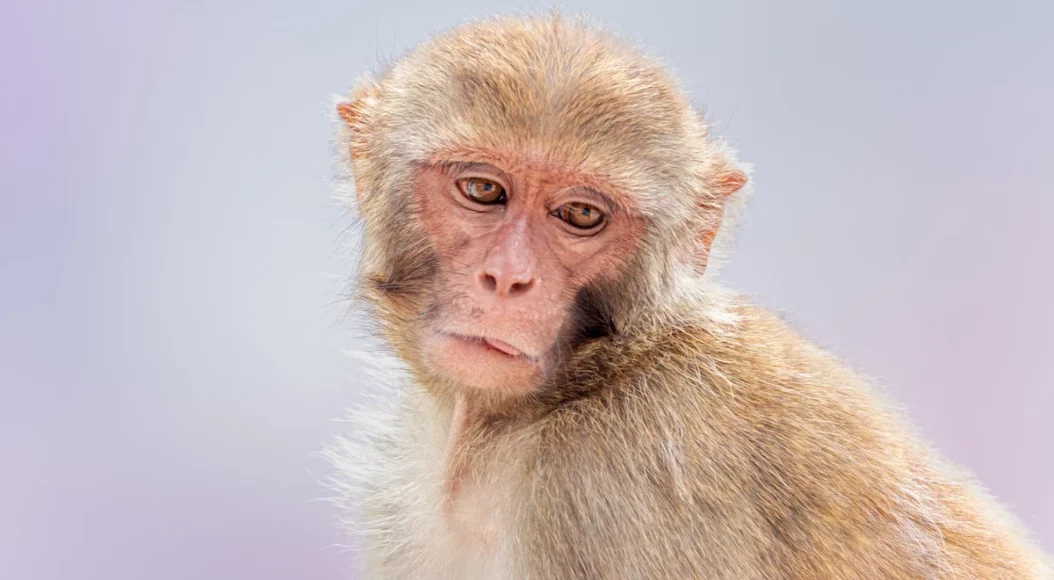
The Roadmap emphasized a move away from outdated and unreliable animal models and toward next-generation tools such as human organoids, organ-on-chip platforms, computational toxicology systems, and other advanced New Approach Methodologies. The draft guidance is the first formal step toward operationalizing that Roadmap, offering preliminary direction for drug developers seeking to reduce or eliminate the use of non-human primates and other laboratory animals.
“This draft guidance represents constructive movement from the FDA and is a logical follow-up to the landmark ‘Roadmap’ to reduce animal testing the agency issued in April,” said Tamara Drake, director of research and regulatory policy at the Center for a Humane Economy. “Putting these new methodologies into practical use will reduce unnecessary animal suffering while improving the predictivity and efficiency of preclinical testing.”
“Monoclonal antibodies represent a vital class of therapeutic modalities for the treatment of a range of human diseases, from metabolic abnormalities to cancer, and technology-based platforms can model these interactions with far greater fidelity than animal tests,” said Zaher Nahle, Ph.D., senior scientific advisor for Animal Wellness Action and the Center for a Humane Economy. “Human-relevant methods that better predict drug toxicity will transform preclinical development and simultaneously reduce the reliance on animal studies.”
“With this draft guidance, the FDA is signaling a willingness to rethink long-standing assumptions about animal testing,” said Wayne Pacelle, president of Animal Wellness Action and the Center for a Humane Economy. “Animal models routinely fail to predict human responses, yet they have remained entrenched in the regulatory system because of regulatory inertia and corporate familiarity. The FDA’s new draft guidance shows that the agency is embracing 21st-century science and acknowledging that we can protect human health while sparing animals from needless pain and suffering. This is a concrete and potentially game-changing move toward a more humane and scientifically grounded system.”
The Center for a Humane Economy and Animal Wellness Action have long advocated for federal agencies to accelerate the shift toward animal-free safety assessments. The organizations drove the 2022 enactment of the FDA Modernization Act 2.0, led by Sens. Rand Paul, M.D., R-Ky., and Cory Booker, D-N.J., removing mandatory animal testing requirements and opening the door for agencies to adopt 21st-century scientific approaches. The new draft guidance was enabled by the passage of that law.
Last week, the organizations celebrated news of the Centers for Disease Control and Prevention (CDC) winding down its use of primates in intramural research.
“We’ve asked for consistent approaches across the federal public health agencies, and that’s what we are now seeing with the FDA announcement closely following the CDC action. We hope to hear NIH is next with similar declarations,” said Pacelle.
In the coming months, the Center for a Humane Economy will submit detailed comments on the draft guidance and continue to engage policymakers, scientific institutions, and industry partners to advance human-relevant methods that reduce reliance on animals in research and testing.