


This anti-poaching bill seeks to protect rare and abundant bears from attacks
WASHINGTON, D.C. — Animal Wellness Action and the Center for a Humane Economy— organizations that have led national advocacy efforts to expose and shut down the commercial trade in bear organs—applauded the reintroduction today of the Bear Poaching Elimination Act in the U.S. House of Representatives by Reps. Michael McCaul, R-Tex., Ted Lieu, D-Calif., Brian Fitzpatrick, R-Pa., and Maggie Goodlander, D-N.H.
The bipartisan legislation aims to dismantle a transnational commercial trade in bear organs — particularly gallbladders — that fuels poaching, accelerates wildlife trafficking, and imperils bear populations in the United States and abroad. The bill would make it unlawful to knowingly trade in bear viscera or products containing bear organs, except for narrow law enforcement purposes tied to wildlife protection.
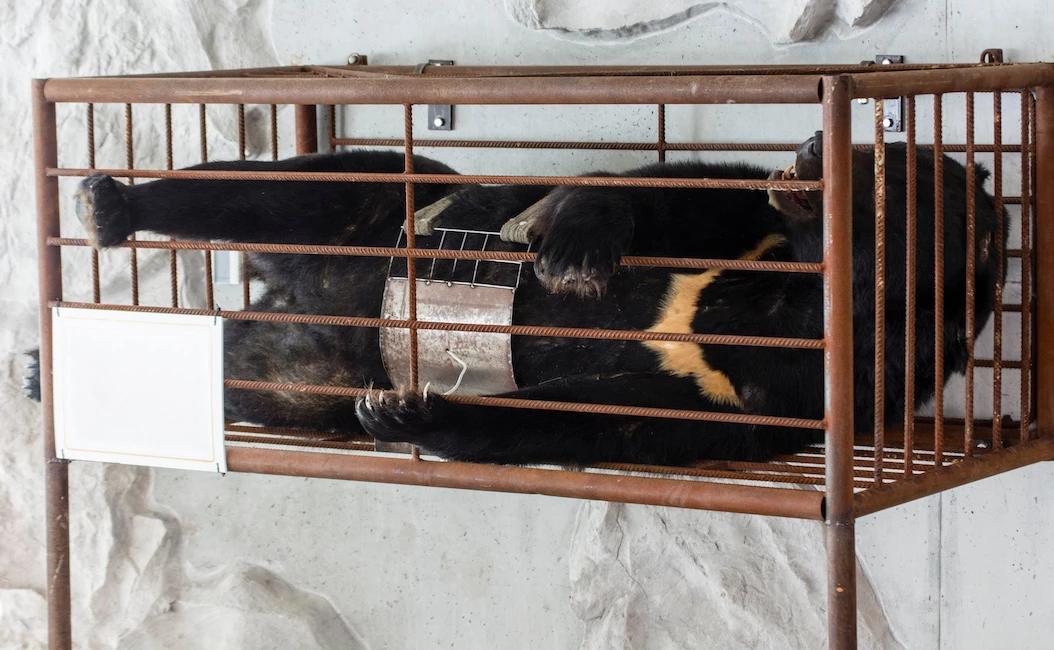
“Killing bears for their gall bladders is akin to killing rhinos for their horns and sharks for their fins,” said Wayne Pacelle, president of Animal Wellness Action and the Center for a Humane Economy. “These poachers and profiteers are killing remarkable bears for a single part of their bodies and less than one percent of their body mass. The Bear Poaching Elimination Act will complement state anti-wildlife-trade laws by banning interstate and foreign commerce in bear parts. We applaud Representatives McCaul, Lieu, Fitzpatrick, and Goodlander for their leadership.”
“International demand for bear organs drives a commercial trade that needlessly harms these creatures and risks their extinction,” said Rep. McCaul. “The U.S. must lead in implementing responsible wildlife trade policies and refusing to fuel this profit-driven cruelty. I’m proud to re-introduce this important bill alongside my colleagues to help end bear poaching and protect these vulnerable species from exploitation.”
“I am pleased to join Rep. McCaul in reintroducing the Bear Poaching Elimination Act, an important piece of legislation in support of our animal friends. Commercial bear poaching has led to a global decline in bear populations,” said Rep. Lieu. “In many cases, bears, including cubs, are killed by poachers who take only specific organs, leaving the rest behind. This practice is inhumane and unsustainable. Our bill will protect bears by banning the import, export, possession, transport and sale of bear organs. We must act now to protect these majestic animals.”
Federal law prohibits certain international trade in bear parts, but gaps remain that allow domestic commerce in them to persist. Those loopholes create laundering opportunities for illegally obtained bear organs and undermine wildlife enforcement efforts.
By establishing a comprehensive federal prohibition, the Bear Poaching Elimination Act would align U.S. policy with global anti-trafficking objectives and strengthen prosecutorial tools for combating wildlife crime networks.
Demand for Gallbladders Driving Global Poaching
The commercial trade in bear viscera is driven largely by demand for gallbladders and bile used in quack medicines and tonics. A single bear gallbladder can command thousands of dollars on the black market, creating powerful financial incentives for poachers. Traffickers target bears indiscriminately — including American black bears and grizzlies — to supply international markets. Law enforcement authorities have documented cases of bears killed solely for organ extraction, with carcasses left to waste in the field.
This illicit trade threatens all eight of the world’s bear species, including the Asiatic black bear, sun bear, and sloth bear, while also placing pressure on North American populations.
Conservation and Enforcement Communities Support Action
Wildlife conservation organizations, animal protection groups, and law enforcement entities have long warned that the legal trade in bear parts — even when limited — stimulates demand and complicates enforcement. Because bear gallbladders are visually similar across species, regulators face difficulty distinguishing legally sourced organs from poached ones, enabling traffickers to exploit the system. Enacting the Bear Poaching Elimination Act, advocates argue, would be the most effective approach to reduce demand, simplify enforcement, and protect vulnerable bear populations.
Support for the bill fits within the organizations’ broader Protecting Bears campaign, an initiative to educate policymakers and the public about the cruelty and conservation harm tied to the gallbladder trade and to build support for federal protections. More information about the campaign and the legislation is available here.