

The agency is putting bears and people at risk by allowing hunters to bait black and grizzly bears with human foods on National Park Service lands.
WASHINGTON, D.C. — Animal Wellness Action and the Center for a Humane Economy today condemned a final rule from the National Park Service (NPS) that reverses a 2024 regulation prohibiting the use of food bait to hunt black and grizzly bears on roughly 20 million acres of national preserves in Alaska. The organizations announced that they will sue the agency to overturn this reckless rule, which restores the widely discredited practice of bear baiting on 20 million acres of lands managed by the NPS.
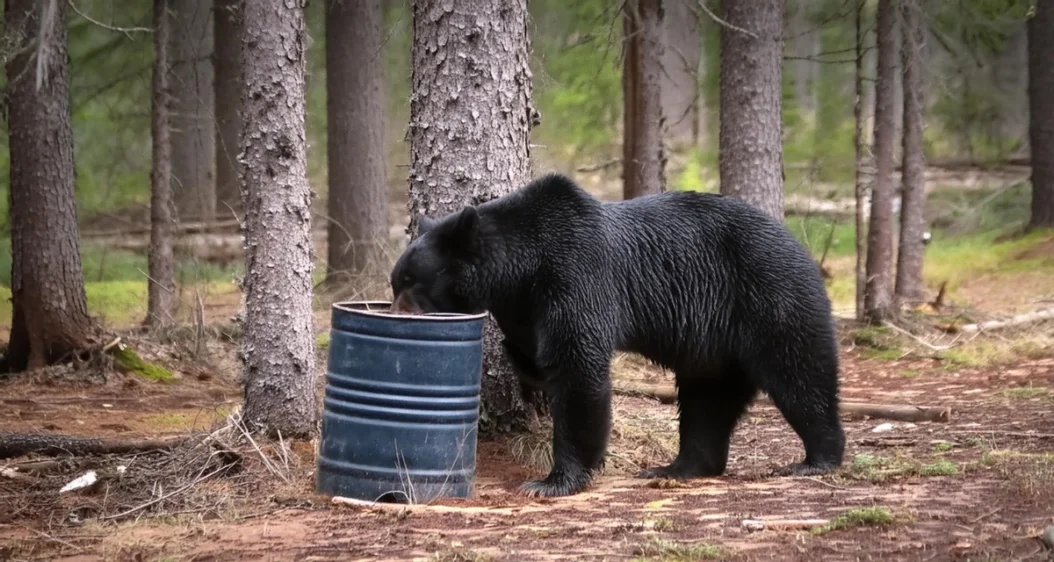
The final rule restores state-authorized wildlife-killing methods in Alaska’s national preserves, reversing regulatory protections adopted in 2015, 2017, and 2024. The 2024 rule had reinstated a prohibition on bear baiting, a hunting method that involves placing piles or barrels of human foods such as pastries, grease, dog food, or other human-scented items and shooting bears while they feed.
The NPS previously concluded that bear baiting posed significant public-safety concerns and that prohibiting the practice was consistent with its responsibilities to protect visitors and natural wildlife populations. The agency sampled state fish and wildlife bear biologists across the nation and they universally condemned bear baiting as antithetical to the principles of fair chase and exclusion of food from bears. Despite that consensus among bear biologists with the states, the agency has now abandoned that prohibition.
“The National Park Service should never have played host to baiting of grizzly bears and black bears,” said Wayne Pacelle, president of Animal Wellness Action and the Center for a Humane Economy. “The 2024 rulemaking got it right in pinpointing that bear baiting is deadly for bears as well as hikers and other forest users who encounter bears trained to search out human foods. This is an absolute gutting of National Park Service principles about protecting wildlife and visitors in its units.”
Pacelle added that “dumping piles of food for bears to gorge on and then shooting them while they feed is not hunting; it’s an ambush.” Pacelle led ballot measures to ban bear baiting in Colorado, Oregon, and Washington, collaborating with fair-chase hunters on all these campaigns.
“The National Park Service has now reversed itself yet again, putting trophy-hunting interests ahead of the agency’s responsibility to protect wildlife and the people who visit these public lands,” stated Kate Schultz, senior counsel for the two groups. “We will challenge this rule in court and seek to restore the protections that the agency itself recognized were necessary.”
In 2015, the NPS adopted regulations to prevent the State of Alaska from imposing extreme predator-killing policies on federal lands managed as part of the national park system. Those rules limited a range of controversial practices, including certain forms of bear baiting and predator-control measures intended to artificially inflate populations of moose and caribou for hunters—an unsound wildlife-management practice at odds with the conservation principles that govern management of national park lands.
The Trump administration rescinded those protections in 2020, allowing state-authorized hunting practices to be applied more broadly on national preserves. Wildlife-protection organizations challenged that action in court. In 2024, the NPS issued a narrower rule that restored a prohibition on bear baiting, concluding that the practice conflicted with the agency’s wildlife-management policies and public-safety responsibilities.
Federal land managers, from the National Park Service to the U.S. Forest Service, routinely advise visitors to “never feed bears” and to properly secure food and garbage to prevent dangerous encounters.
“Federal agencies spend enormous resources educating the public never to feed bears because it creates potentially deadly human-bear conflicts,” Pacelle added. “It makes no sense for federal land managers to invite trophy hunters to do exactly that—deliberately bait bears with human foods so they can shoot them with their head in a feed barrel.”
Pacelle also noted that legislation was introduced in the 119th Congress to address the issue nationwide. Rep. Shri Thanedar, D-Mich., introduced the Don’t Feed the Bears Act, H.R. 4422, to prohibit the use of bait to hunt bears on federal lands, including National Park Service lands.
Animal Wellness Action and the Center for a Humane Economy will challenge the NPS rule in court, seeking to restore the prohibition on bear baiting and protect wildlife and public safety on Alaska’s national preserves.