

WASHINGTON, D.C. — Animal Wellness Action and the Center for a Humane Economy today renewed their appreciation of Homeland Security Investigations for the dismantling of a network of dozens of criminals torturing monkeys and selling videos to people titillated by these obscene acts of cruelty. While also lauding prosecutors, the animal protection organizations expressed disappointment in the federal court’s insufficient penalties for these heinous and serial acts of cruelty. Wayne Pacelle, president of Animal Wellness Action and the Center for a Humane Economy, was at the center of the lobbying campaign to pass the series of federal statutes forbidding these acts of malice, including the Preventing Animal Cruelty and Torture Act signed by President Trump in 2019.
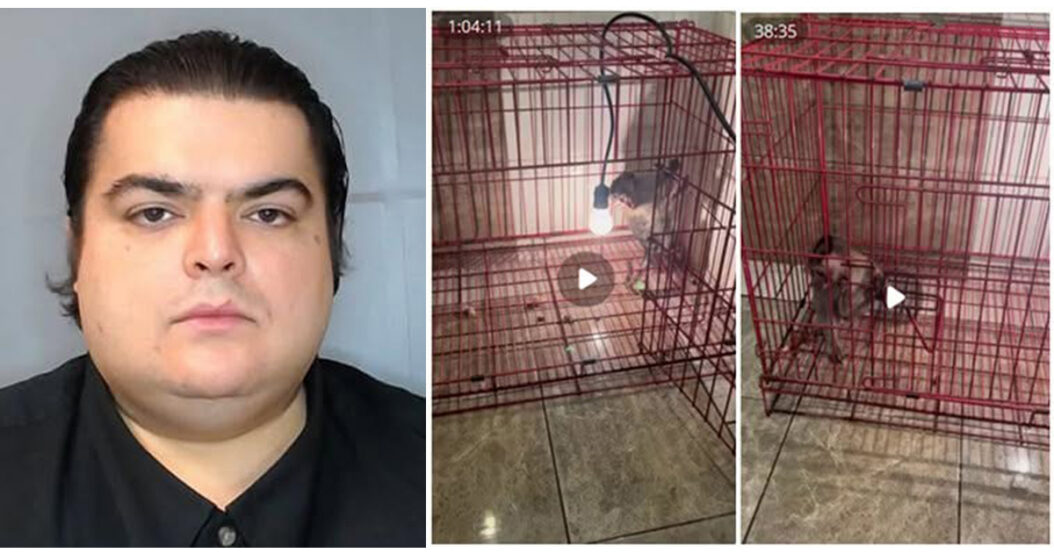
According to a news report detailing the investigation, federal authorities have secured guilty pleas from multiple participants who either distributed videos of monkeys being burned, drowned, nailed to trees, strangled, and otherwise tortured, or paid overseas traffickers to carry out the acts on camera for their entertainment. The investigation has resulted in at least 30 indictments nationwide and exposed a sprawling online community operating through encrypted messaging platforms. Despite the savage nature of these crimes, the perpetrators so far are facing sentences of less than one year in prison.
“Cases like this demonstrate exactly why animal cruelty deserves greater attention as a serious criminal justice issue,” said Wayne Pacelle, president of Animal Wellness Action and the Center for a Humane Economy. “These offenders weren’t merely consuming violent content; they were directing it, funding it, encouraging others to escalate it, and creating criminal marketplaces where unimaginable suffering became a commodity. Investigations of this complexity require sustained federal resources, specialized expertise, and stronger legal tools.”
“A substantial body of research demonstrates a positive association between animal cruelty and interpersonal violence, including domestic violence,” observed Todd K. Shackelford, Ph.D., distinguished professor and chair of psychology at Oakland University in Rochester, Michigan. “Individuals who intentionally inflict suffering on animals are at elevated risk for engaging in violence against intimate partners and other vulnerable individuals, and animal abuse is often present in households characterized by coercion, intimidation, and abuse.”
Animal Wellness Action and the Center for a Humane Economy noted that the case underscores the increasingly transnational nature of organized animal cruelty, with offenders in the United States allegedly paying individuals overseas to torture animals while recording the abuse for online audiences. Federal investigators traced the network through encrypted online communities that specialized in trading increasingly graphic videos of monkey torture.
Congress passed the Animal Crush Video Prohibition Act (2010), at Pacelle’s urging, after the U.S. Supreme Court struck down an earlier federal statute in United States v. Stevens (2010) on First Amendment grounds. The revised law made it a federal crime to knowingly create animal crush videos for interstate commerce, sell them, market them, advertise them, or distribute them. Nearly a decade later, Mr. Pacelle worked to pass the Preventing Animal Cruelty and Torture (PACT) Act (2019), and that law did not merely prohibit the videos—it criminalized the underlying acts of animal crushing themselves when they occur in interstate commerce or within federal jurisdiction. It expressly prohibited animal crushing, creation of crush videos, and distribution and sale of crush videos, with penalties of up to seven years’ imprisonment. These laws were put to work in this case.
Animal Wellness Action and the Center for a Humane Economy said the investigation also highlights the need for Congress to enact the Animal Cruelty Enforcement (ACE) Act, legislation designed to strengthen federal enforcement of animal-cruelty laws by creating a dedicated Animal Cruelty Crimes section within the U.S. Department of Justice. The proposal would establish specialized prosecutors focused on federal animal-cruelty offenses, improve coordination among federal agencies, and ensure that complex interstate and international cases receive the sustained attention they require.
“The Animal Cruelty Enforcement Act gives the DOJ the personnel to tackle, in a strategic way, the worst actors in the realms of dogfighting, cockfighting, crush videos, and other people who commit acts of malice against animals,” added Pacelle. “Congress should seize this moment and provide law enforcement with the specialized capacity needed to pursue the worst animal abusers wherever they operate.”
Animal Wellness Action and the Center for a Humane Economy pledged to continue working with federal lawmakers, prosecutors, and law enforcement agencies to strengthen enforcement against organized animal cruelty and to ensure perpetrators are held fully accountable under federal law. Anyone with information on animal cruelty cases may email tips@animalwellnessaction.org.